Surveillance Alone Does Not Prove Fraud. Timing Does
Workers’ compensation fraud is rarely exposed by luck. It is uncovered through timing, strategy, and a clear understanding of how questionable claimants behave once they realize they may be under scrutiny.
In many cases, surveillance teams are sent out with a basic assignment: document activity and report what is observed. That approach works fine when the facts are straightforward. But when the indicators point to possible fraud, a standard approach is not enough. The investigation has to be smarter, more deliberate, and built around how the claimant is likely to think and act.

Workers’ Comp Fraud Surveillance
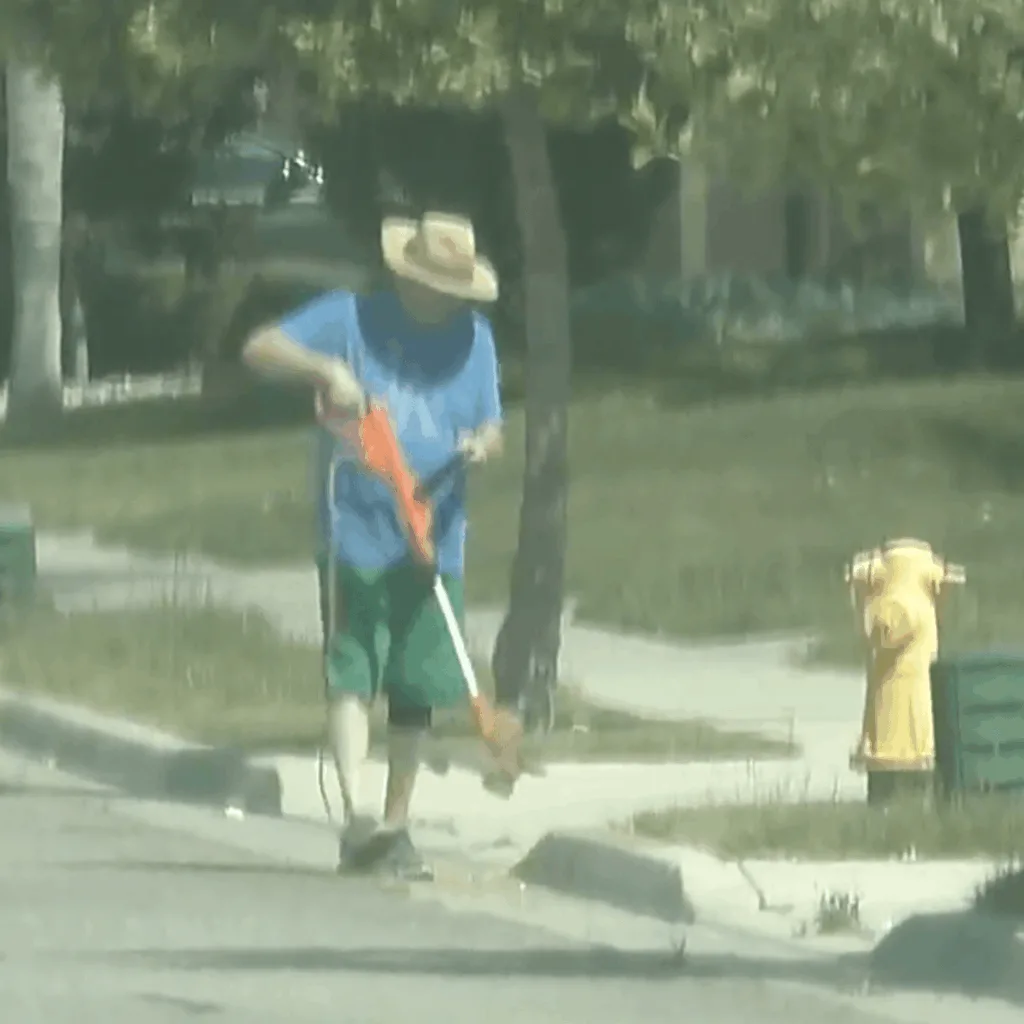
Surveillance image showing the claimant driving despite reported physical limitations in a workers compensation claim.
Where experienced surveillance becomes critical.
In one recent matter, the claim presented several red flags from the start. Based on the severity of the allegations, the medical narrative, and the surrounding timing, it appeared the claimant may have had knowledge of surveillance tactics or had been warned by counsel to expect investigators. That changed the way the case had to be handled. Instead of approaching the assignment like a routine workers’ compensation surveillance, the strategy was built around the likelihood that the subject would be guarded, selective, and potentially deceptive.

Workers’ Comp Fraud Surveillance
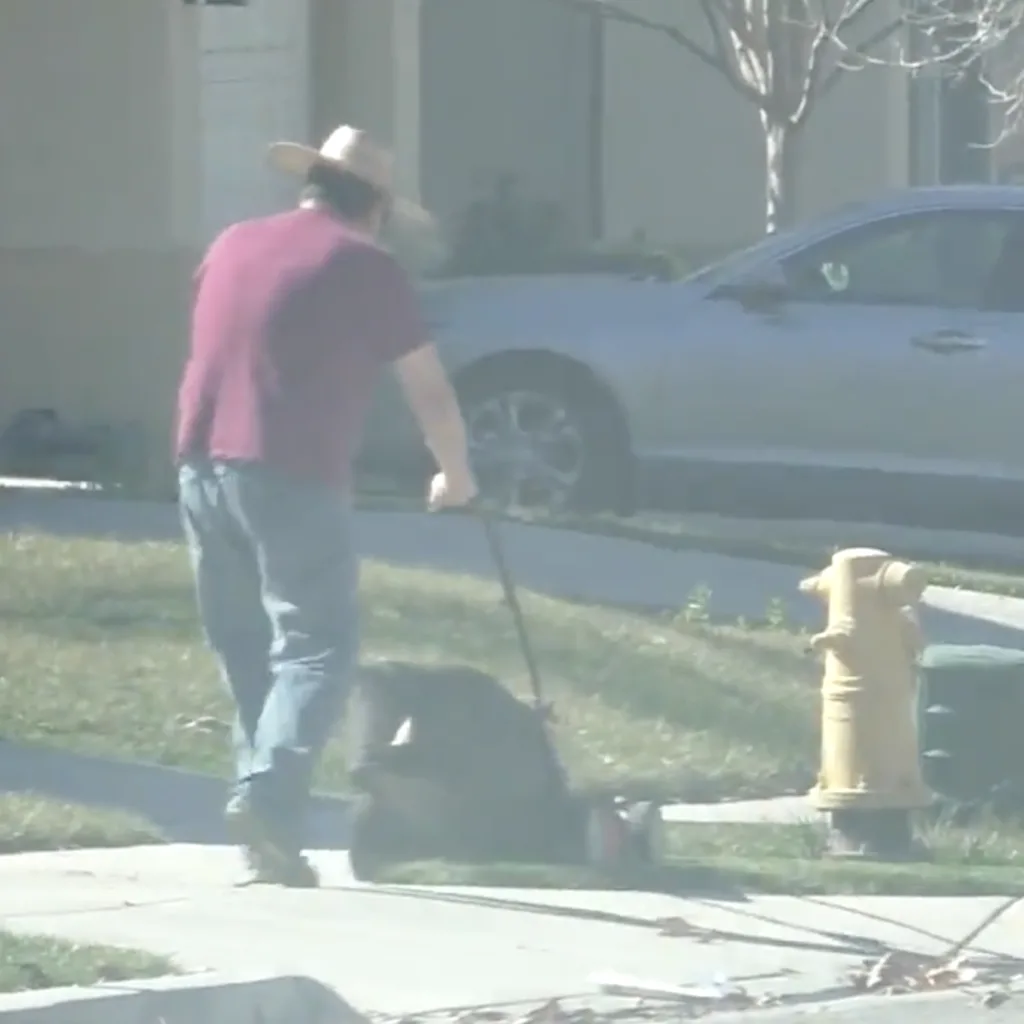
Surveillance image showing the claimant mowing with a push mower one month before his deposition. February 2026.
Why Timing Matters in Workers’ Compensation Fraud Investigations
During the first round of surveillance, the claimant was observed performing activities that went beyond his original reported limitations. That alone raised concern. But concern is not enough. In workers’ compensation fraud investigations, the real value often comes from locking the claimant into a version of events before pushing further.
How Initial Surveillance Can Strengthen Deposition Strategy
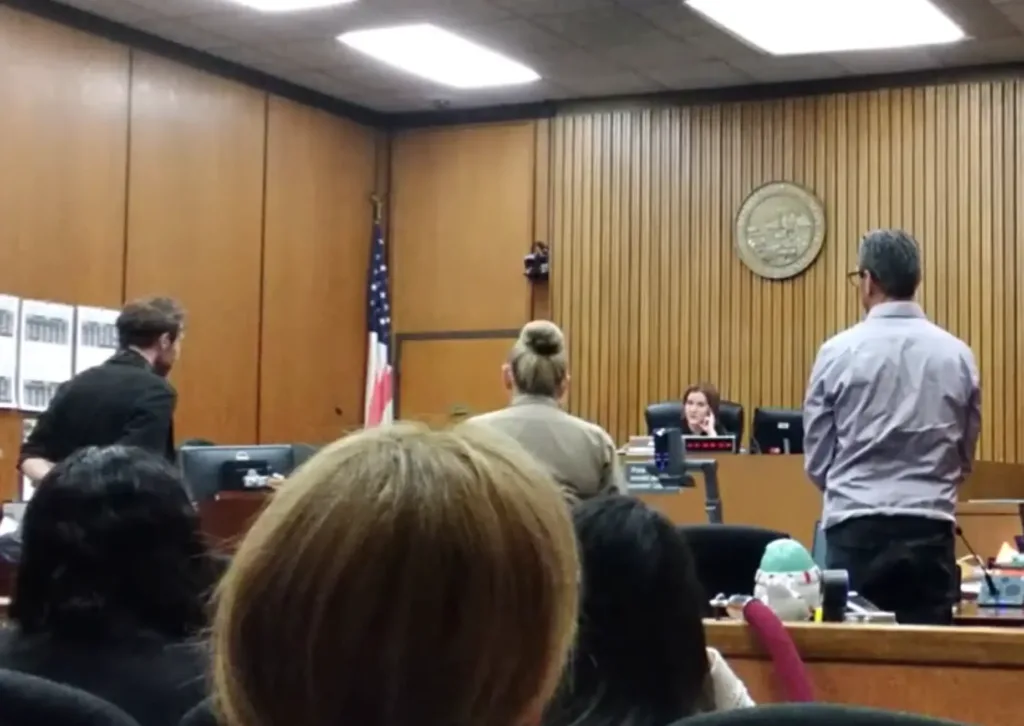
Based on those initial observations, it was recommended that the insured and defense counsel move forward with the claimant’s deposition. This step is critical. During the deposition, the claimant was pinned down under oath regarding what he could and could not do. He took a far more restrictive position, claiming he could not use his left side at all and admitting he drove only short distances against medical advice. Those sworn statements created a clear benchmark.
That is where the case shifted from suspicion to something much more serious.
A second round of surveillance was then conducted. This time, the claimant was captured performing multiple activities that directly contradicted his sworn testimony and the overall claim presentation. Investigators documented him mowing the lawn, edging, using tools to vacuum and blow grass clippings, spreading grass seed, and handling a large push broom in a manner that required both hands, both arms, and full body movement. These were not isolated or minor movements. They were sustained, purposeful activities that appeared completely inconsistent with the physical limitations he had described.

Workers’ Comp Fraud Surveillance
Surveillance image showing the claimant mowing with a push mower despite statements made under oath during deposition. April 2026.
Strategic timing turns surveillance into evidence that supports fraud investigation

Workers’ Comp Fraud Surveillance
Surveillance image showing the claimant using a push broom far exceeding limitations statements made under oath during deposition. April 2026.
In suspected workers’ compensation fraud cases, timing is everything. A claimant may say one thing at the outset of a claim, then refine the story later. Doctors may rely on those statements. Attorneys may shape litigation around them. But when surveillance captures conduct before and after sworn testimony, the contradictions become far more powerful. You are no longer dealing with vague inconsistency. You are dealing with a timeline that strongly suggests intentional misrepresentation.
That is what separates routine surveillance from meaningful fraud-focused investigation.
The strongest surveillance cases are rarely built on a single video clip. They are built on layers. Initial claims. Medical records. Observed activity. Deposition testimony. Follow-up surveillance. Then the full chronology is assembled to show not just that the claimant was active, but that the claimant appeared to be knowingly presenting a false or misleading picture of his limitations.
Building a Stronger Timeline for Defense Counsel and Carriers
Once the evidence is organized and the inconsistencies are clearly documented, the case should be forwarded to the insured’s Special Investigations Unit for further review. That referral is not just procedural. It gives the carrier or insured the opportunity to evaluate the claim through a fraud lens, pursue additional investigation, and determine whether the evidence supports further legal or administrative action.
For employers, carriers, third-party administrators, and defense counsel, the takeaway is simple: surveillance is most effective when it is tied to strategy. A good investigator does more than record footage. A good investigator understands claim behavior, recognizes fraud indicators, uses timing to the client’s advantage, and helps build a case that can stand up under real scrutiny.
At Paramount Investigative Services, we do not treat workers’ compensation surveillance like a box-checking exercise. We approach each case based on the facts, the risk indicators, and the likelihood that the claimant may alter behavior once litigation pressure builds. When the evidence supports it, we help clients move from suspicion to actionable intelligence and, when appropriate, referral to the insured’s SIU team.
Learn how to report a workers compensation claim to the local district attorney’s office here along with the FD-1 form.