New California Service of Process laws 2027
You knock on the door.
Lights are on. A car is in the driveway. Someone just moved the curtain.
But nobody answers.
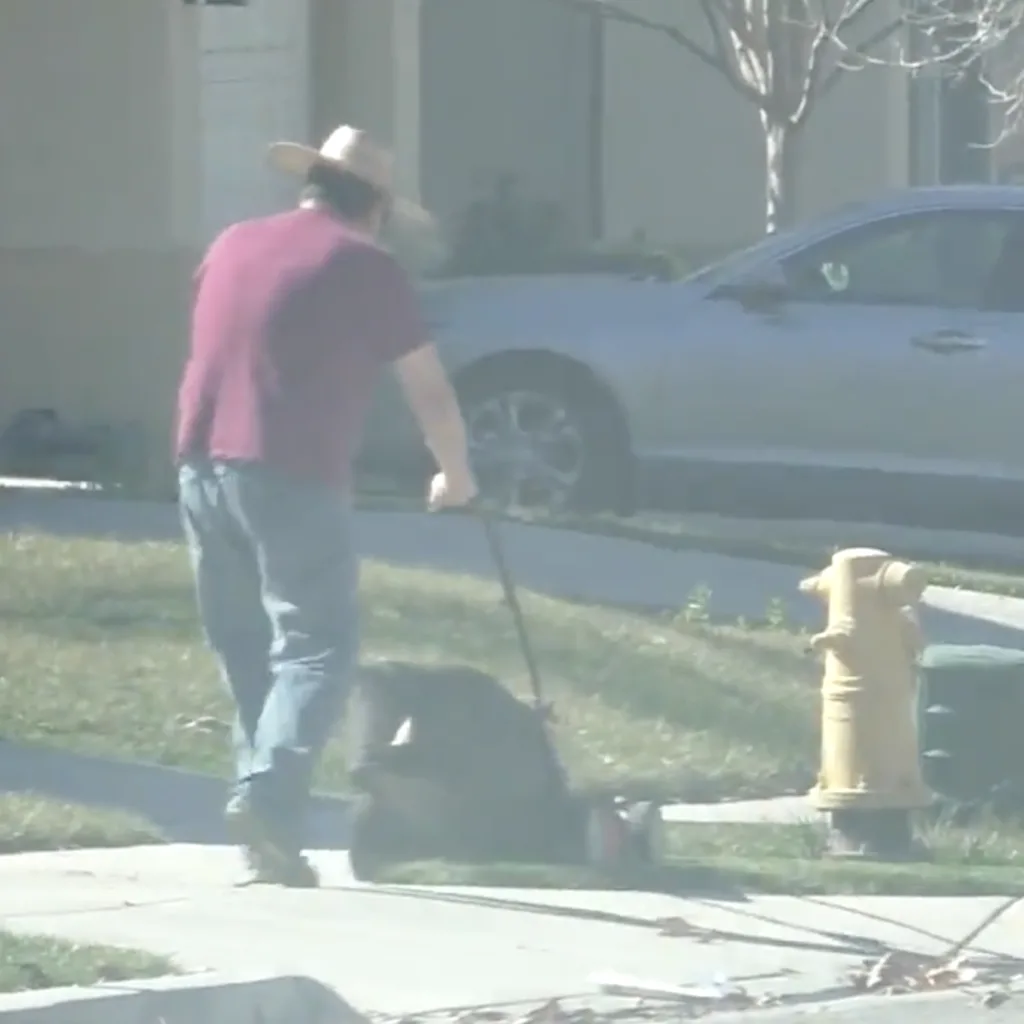
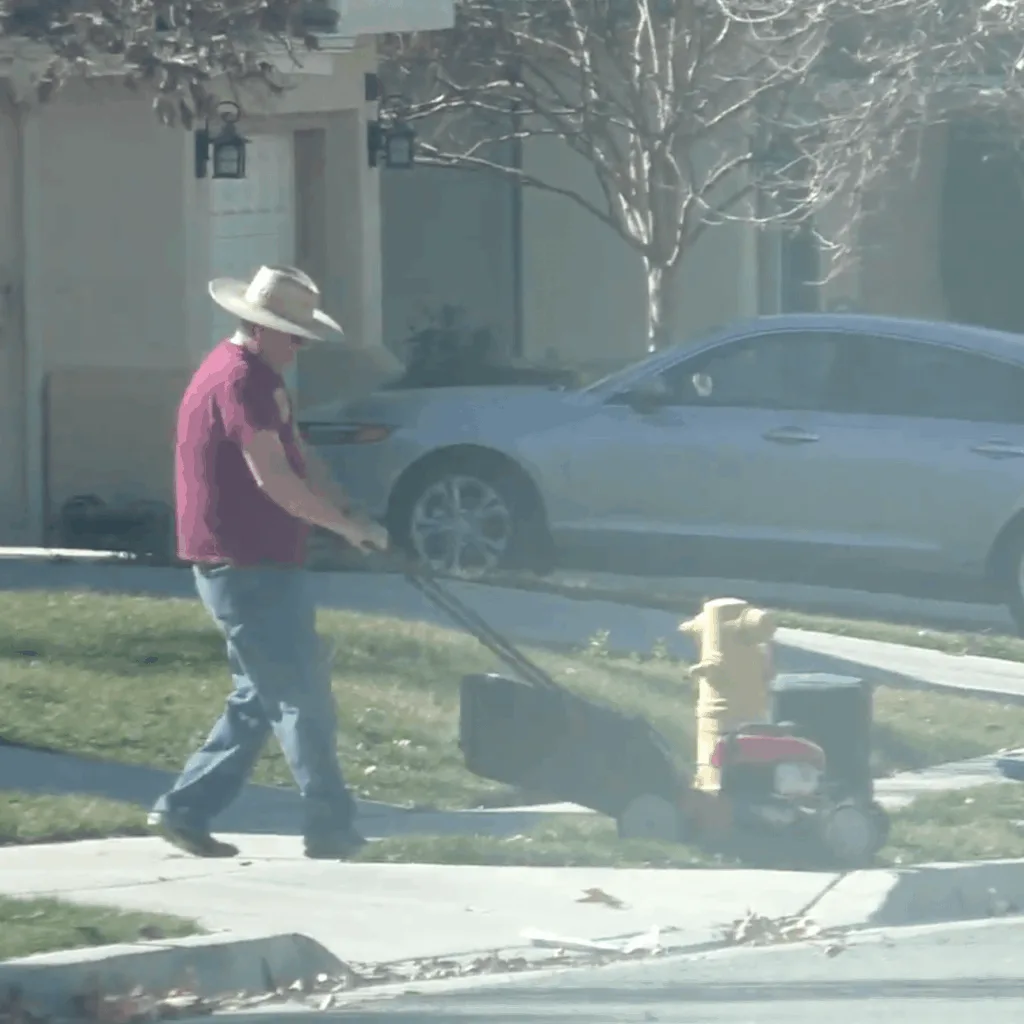
Anyone who has spent time serving legal papers has seen this exact scene play out countless times. Defendants avoid the door. Security gates block access. Family members suddenly “don’t know who that is.” People pretend they aren’t home while watching every move through the window.
Service of process isn’t difficult because the law is complicated. It’s difficult because people work very hard to avoid being served.
That’s exactly why documentation matters. See how we handle hard to serve individuals
Beginning January 1, 2027, California will introduce new requirements that will change how service of process is proven in court. The law will require stronger documentation, including time-stamped photographic evidence and GPS location data at the moment service occurs.
For many investigators and professional process servers, however, this change won’t feel new at all.
It’s simply the law catching up to the way experienced professionals have been working for years.
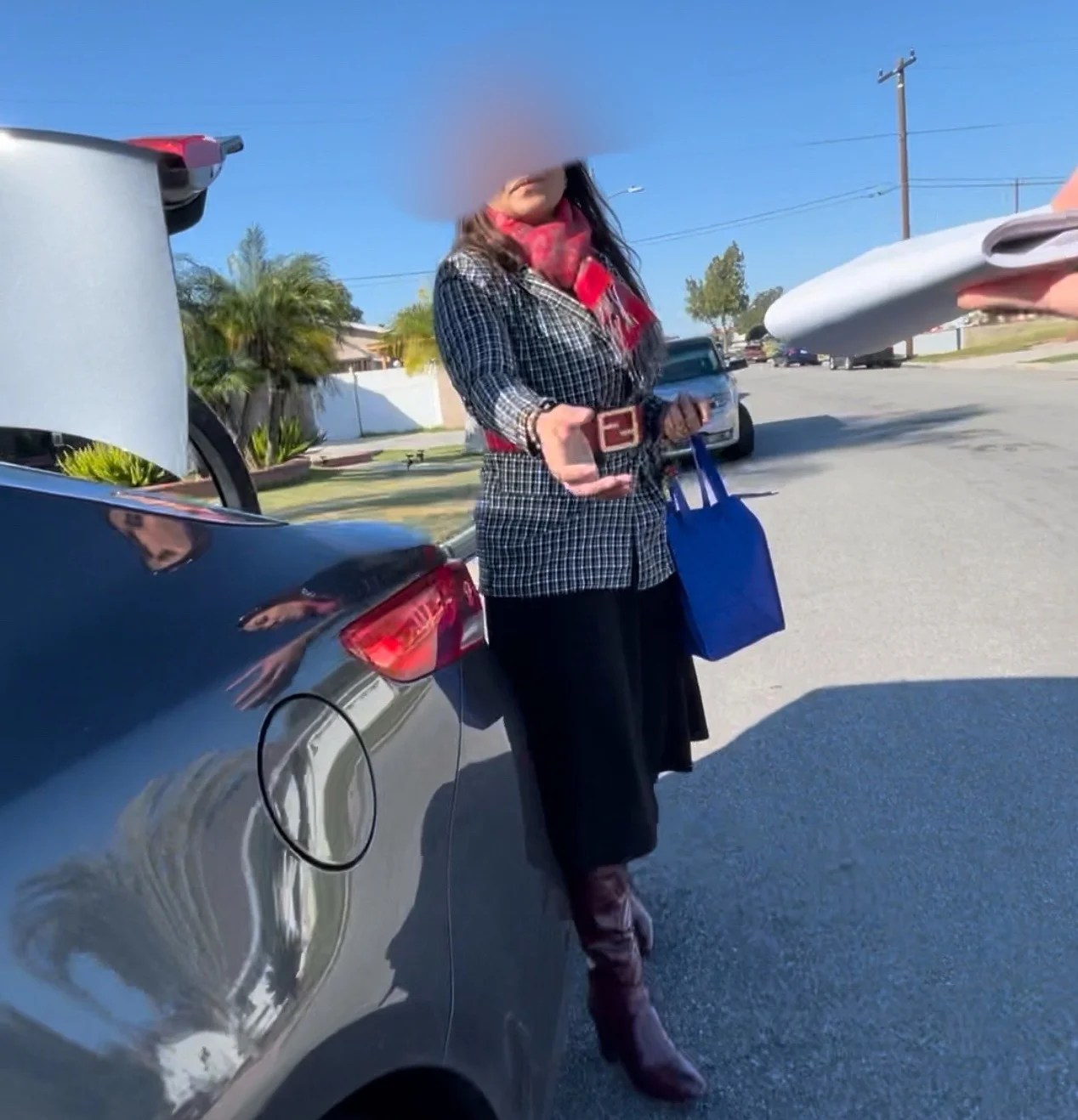
Example of a real service attempt documented on video with time and location data. This is standard procedure for difficult service attempts handled by Paramount Investigative Services. The video below shows Ken Childs after surveilling a wealthy individual who has been evading process servers. We followed him into Beverly Hills and served him as soon as he exited the parking structure.
See how we handle hard to serve individuals
Why California Is Changing Service of Process in 2027
California courts regularly deal with defendants who claim they were never served with a lawsuit. Even when service was properly completed, these disputes can delay cases and force attorneys to defend the validity of service. The upcoming law aims to strengthen proof of service by requiring time-stamped photographic documentation and GPS verification at the moment service occurs. In other words, courts will increasingly expect digital confirmation that the service event actually happened.
The Reality of Serving Legal Papers
Anyone who has worked in this field knows that serving papers is rarely as simple as handing someone a document. Defendants avoid service, refuse to answer doors, or instruct others to deny their presence. Some live in gated communities where security guards attempt to block access. California law recognizes this reality. Process servers have a limited legal privilege to approach a residence or business for the purpose of lawful service, much like a visitor or delivery driver approaching a front door. But that authority has limits. Servers cannot enter restricted areas or ignore clear privacy barriers such as locked gates or fenced yards. Understanding those boundaries while still completing service requires experience and judgment.
How Paramount Investigative Services Documents Every Serve
At Paramount Investigative Services, documentation is built into the process from the beginning. Service attempts are routinely recorded on video with embedded date and time stamps, creating a clear record of what occurred during the service interaction. Our investigators also utilize professional documentation tools such as Time Stamp It and Timestamp Camera Enterprise, which embed verifiable time, date, and GPS location data directly into the photographic or video record. When service occurs, the evidence already contains the information needed to confirm exactly where and when the event took place.
When Service Gets Challenged in Court
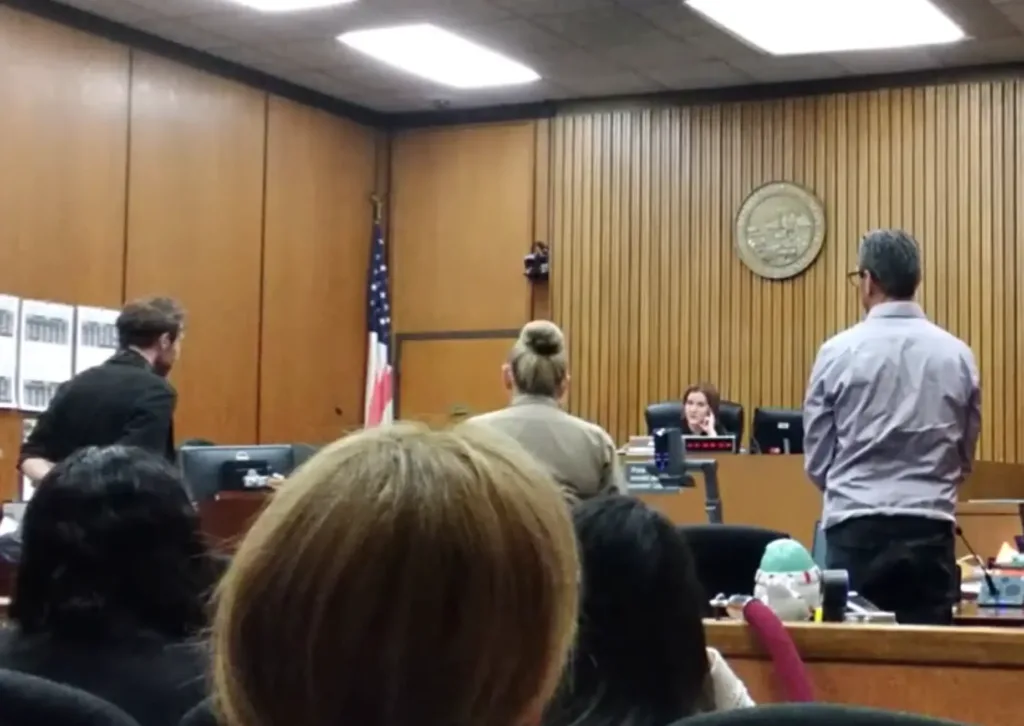
Anyone can claim they handed someone legal papers. The real test happens when service is challenged in court. In addition to the standard proof of service, we routinely prepare a detailed declaration using Judicial Council Form MC-030 describing the circumstances of the serve and the diligence exercised in attempting personal service. When appropriate, supporting exhibits are included to document the service attempt itself. This level of documentation matters. In cases where our service has been challenged, courts have upheld the service after reviewing the evidence. In one instance, the judge not only ruled in our favor but issued a bench warrant for the opposing party after reviewing the documentation.
Why the 2027 Law Won’t Change How We Work
The upcoming law will likely raise the evidentiary standard across the process serving industry. Courts will expect stronger documentation and digital confirmation of service events. For experienced investigators who already document their work thoroughly, the transition will be seamless. For others, it may require significant changes in how service attempts are performed and recorded. At Paramount Investigative Services, documentation has always been part of the job. The 2027 law simply reinforces what professionals in the field already know: when service is challenged, the best evidence wins.
Difficult Service of Process
Some service attempts require persistence, surveillance, and strategic timing. When individuals actively avoid service, experience and documentation become even more important. You can see examples of these real-world situations on our Difficult Service of Process page, where we show how challenging service attempts are successfully completed.