A Private Investigator’s Day in Court Does Not Always Go According to Plan
Private investigators do testify in court, but if you think it always looks clean, organized, and dramatic like it does on television, I hate to ruin the fantasy.
Court is unpredictable.
Sometimes the video comes in. Sometimes the report becomes the focus. Sometimes the attorney has a plan, the judge has a different plan, and the private investigator sitting there in a suit is thinking, “Well, this just got interesting.”
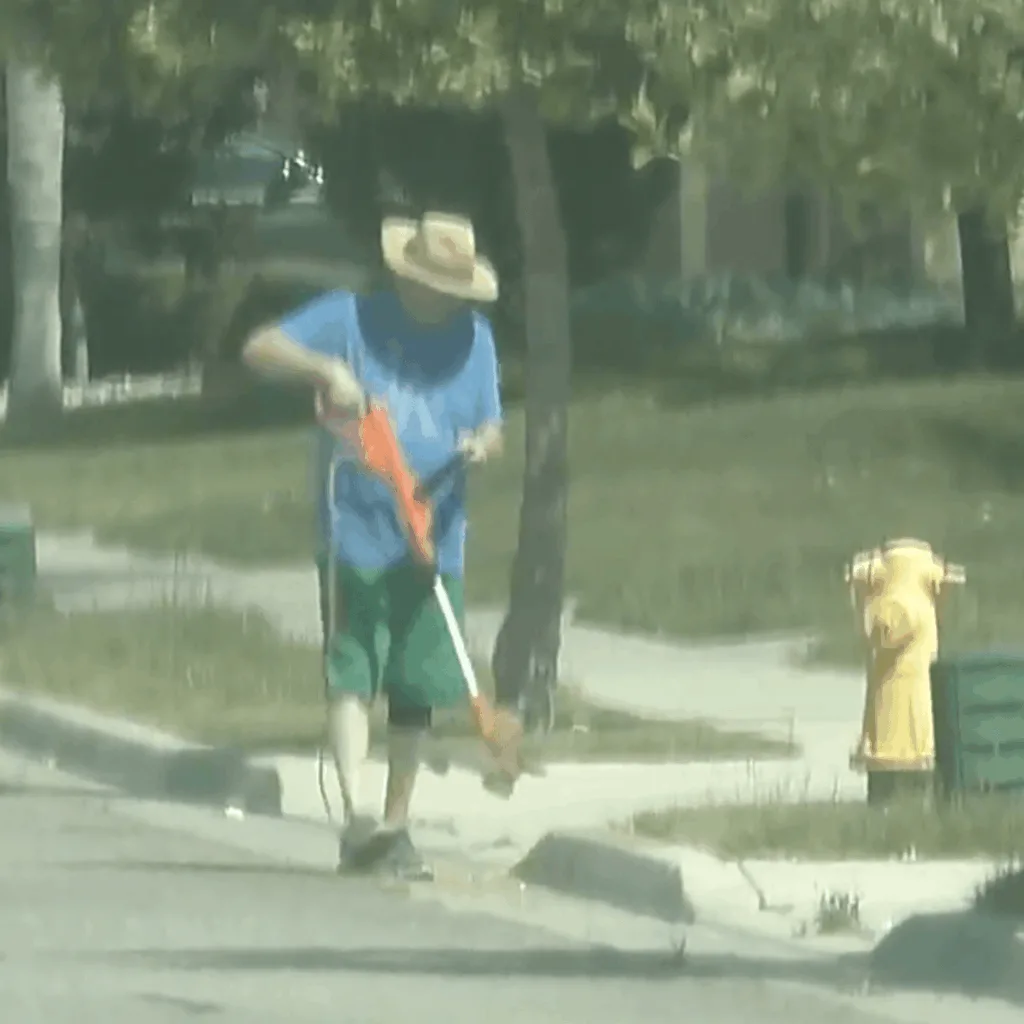
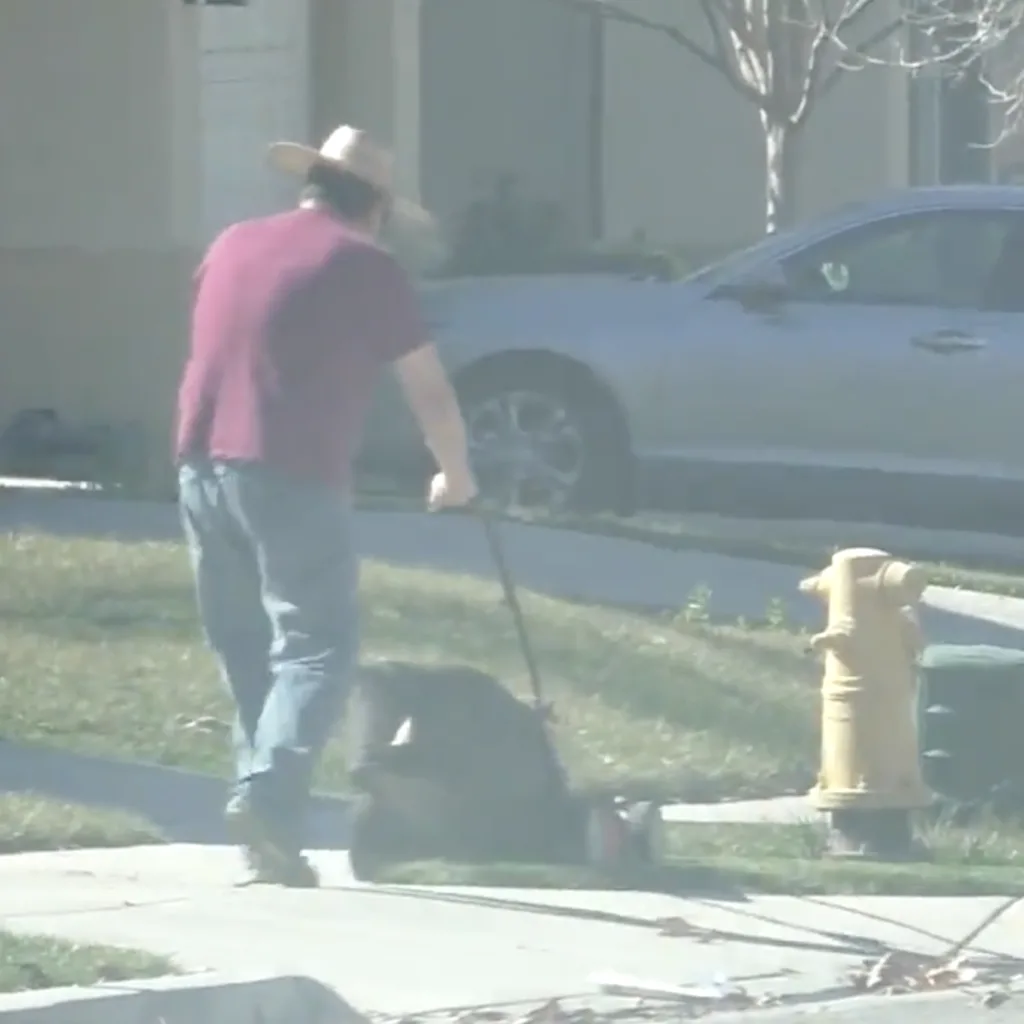
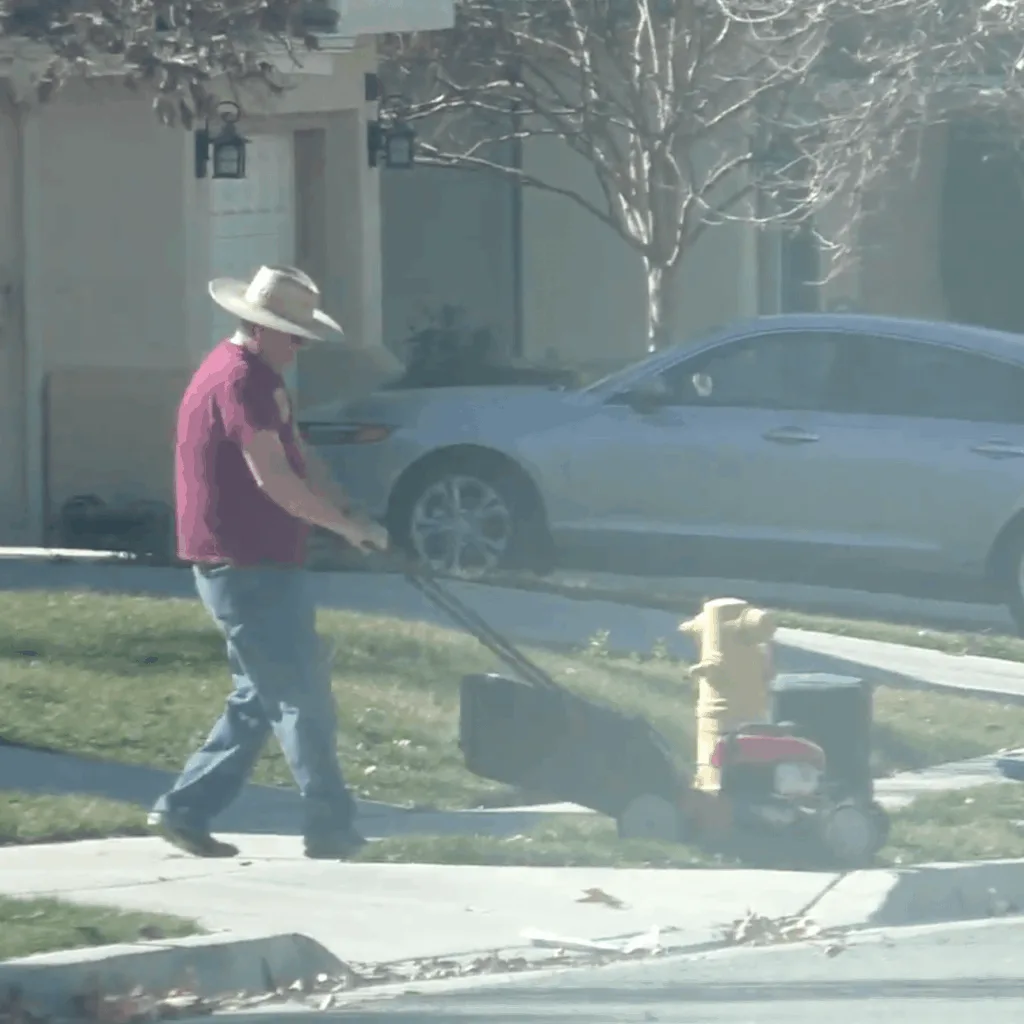
One courtroom experience I will never forget involved surveillance video I had captured during an insurance fraud investigation. The video mattered. It documented the subject’s physical activity and contradicted some of the claims being made in the case. This was not a short little clip either. There were hours of surveillance video.
Then the judge appeared to be pressed for time as it was a Friday morning and we were approaching the holiday weekend. And just like that, the video evidence was thrown out. Not exactly the moment you want after spending hours in the field capturing surveillance, preparing reports, preserving evidence, and showing up to court ready to testify. On paper, the other side had just scored a big win. They managed to keep the jury from seeing the video.
With some quick thinking we were had a funny way of turning the tides.
When the Judge Excluded the Surveillance Video
After the judge excluded the video, the attorney I was working with did something smart. She asked the judge if I could demonstrate to the jury what I had personally observed the subject doing during the surveillance.
The judge allowed it!
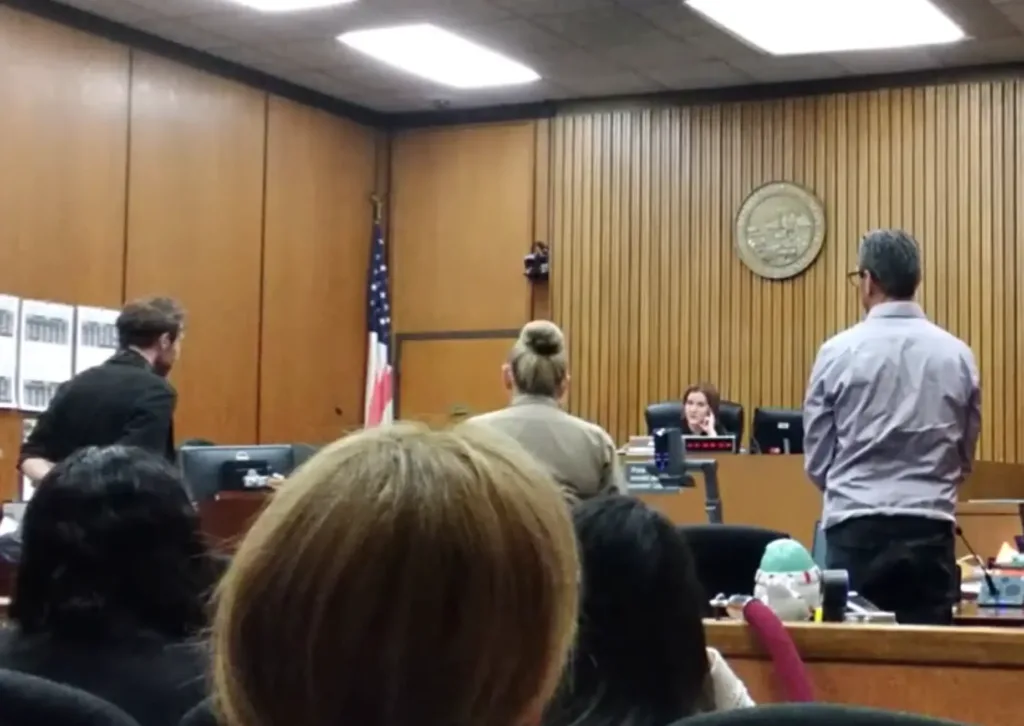
He then directed me to do it in front of the jury box.
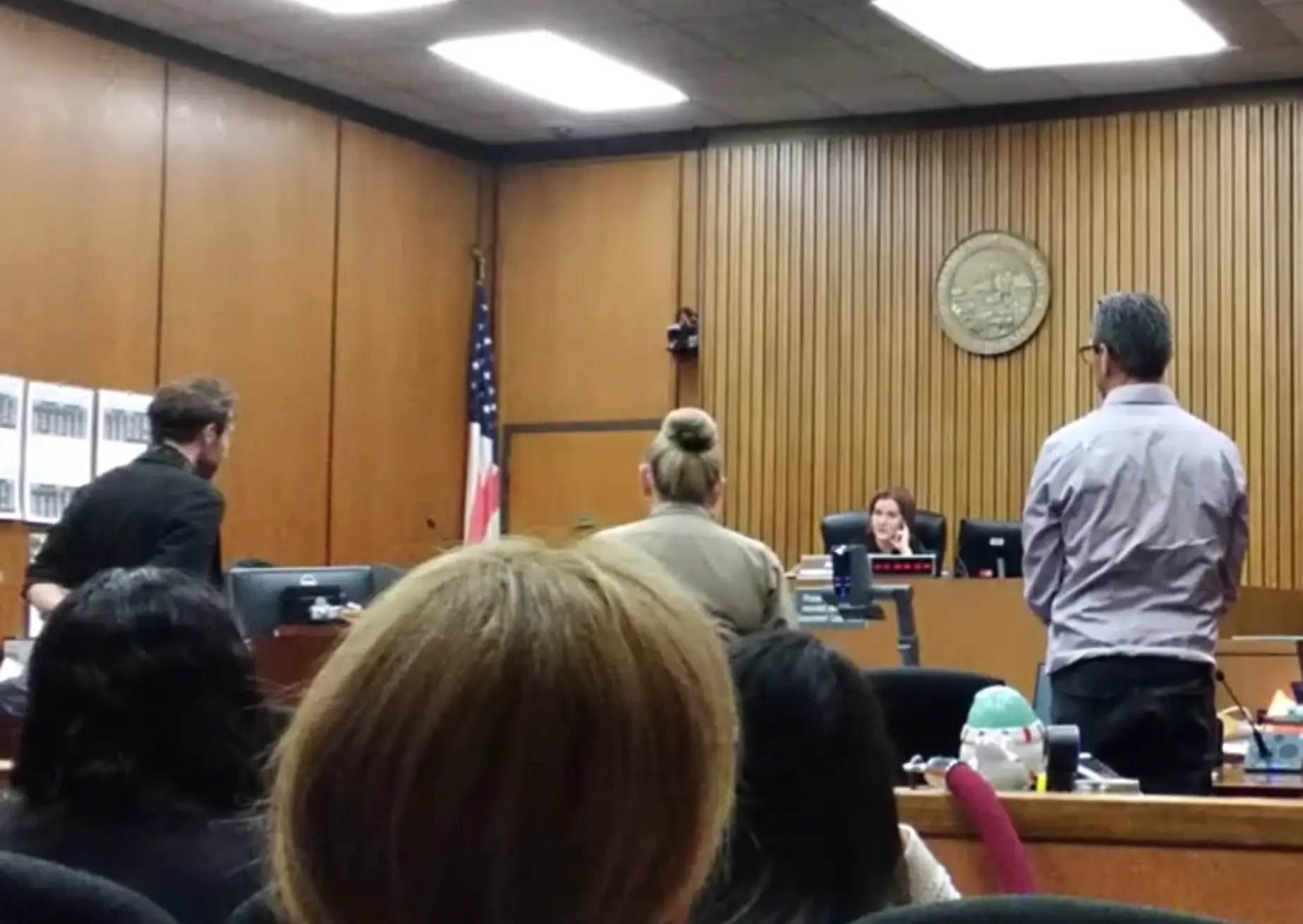
So there I was, standing in front of the jury, acting out what I had personally observed during the investigation. For the next 10 to 15 minutes, I essentially played courtroom charades. Not exactly something taught to me by mentors. This is all school or hard knocks.
But that is what happened. I took lemons and make lemonade!
I demonstrated the subject’s movements and physical activity based on what I personally observed during the surveillance. I was gesturing and playing up the jury. We were all laughing at me trying to act the acts out.
It was strange. It was memorable. And honestly, it was one of the wildest courtroom experiences I have had.
Why the Testimony Still Mattered Without the Video
The opposing side probably thought they had won the battle when the video was excluded. And to be fair, it was a HUGE WIN.
Keeping video evidence away from the jury is a big deal. Surveillance video is so powerful because jurors get to see the subject’s activity for themselves. Video often cuts through a lot of nonsense very quickly and burns into their minds; images of people lifting heavy objects, racing and laughing while riding electric scooters and building houses. All while they stated to doctors and to the courts they can't do XYZ.
But in this case, excluding the video created a different problem for them.
Instead of watching a screen, the jury watched me dance out & mimic what I personally observed. They saw me demonstrate it in real time. They watched my body language, and got to judge for themselves whether I seemed credible.
That changed the dynamics and tone in the courtroom that morning.
Cross-Examination Got Interesting
Then came cross-examination. The opposing attorney challenged me, which is expected. That is part of the job. No hard feelings. Everyone has their role to play but he came right out of the gate as if we were on TV. I'll never forget “So your the hired assassin!” He was so unprofessional and that sealed his fate with the jurors.
Every time he challenged what I had observed, I had a very simple answer. I would gladly show you the video. And every time I said that, he complained to the judge. (It was great because he couldn't have it both ways. You can't get the video tossed out and then try to discredit my answers because I didn't have proof.
They knew the video existed. He didn't know exactly what was on it but they knew it was damaging to their case. They also knew that if he pushed too hard, he might open the door to the jury seeing several hours of video that would have no doubt destroyed the clients claims.
The Jury Connected With the Testimony
In the end, I believe the jurors connected with me because I was not trying to sell them anything. I was not there to be dramatic. I was not there to be clever. I was not there to be some over hyped TV version of a private investigator. I was a professional regular “Joe” and they connected with that.
I was there to explain what I personally observed.
That is an important distinction. A professional private investigator should not testify like a hired gun. The job is not to say whatever helps the client. The job is to explain what was observed, what was documented, what was captured, and sometimes what was not captured.
That is what jurors connect with; real people.
People can usually tell when someone is trying too hard. They can also tell when someone is simply answering the question and telling the truth. In this case, the plaintiff’s side may have scored a point by keeping the video out, but they lost the bigger credibility picture.
What This Case Teaches About Private Investigator Testimony
This case is a good example of why private investigator testimony matters.
A lot of people think surveillance evidence is only about the video. The video matters, of course. It can be extremely important. But the investigator still has to know what happened, know the report, understand the timeline, and be able to testify clearly.
“The investigator has to be prepared for the unexpected“
Before court, I review the report, the video, the observations, and the chain of custody. I wanted to make sure the report accurately reflected what happened and that I can explain the surveillance without fumbling around.
Court is not the place to figure things out on the fly you need to be relatively prepared.
And yet, sometimes the court forces you to improvise anyway. That is why experience matters. When the judge tosses your video and tells you to demonstrate the activity in front of the jury, you better be ready to handle that without looking like a deer in headlights.
Not Every Private Investigator Is Built for the Witness Stand
Most private investigators can sit in a vehicle and capture video. That is one part of the job. Fewer can write a clean, accurate report. Even fewer still can sit on the witness stand, stay calm under cross-examination, and explain their work in a way a judge and jury understand.
That is where experience shows.
When a private investigator testifies, the jury is not just evaluating the evidence. They are also evaluating the investigator. How is the investigator dress? How do they answer? Do they seem calm? Are they direct? Are they defensive? Are they trying too hard to help one side?
These small signals matter.
A private investigator should testify like a professional observer. Not like an advocate. Not like someone trying to win points for the attorney who hired them. The best testimony is simple, honest, and concise.
The Bigger Lesson From That Day in Court
That courtroom experience taught me something I already believed, but it drove the point home.
A private investigator’s credibility matters as much as the evidence itself.
The opposing side got the video excluded. That should have been a major advantage. But once I was allowed to demonstrate what I personally observed, the jury had a chance to evaluate me directly. Then, when I was challenged on cross-examination, I could truthfully say that the video supported what I was describing. That put the other side in a bad position. They did not want the video played, but they also did not want to challenge me so aggressively that the video might come back into the conversation. They were in a tough spot and they knew it.
And frankly, it was fascinating to watch it happen in real time.
Final Thoughts on Private Investigators Testifying in Court
Private investigators can and do testify in court. Sometimes the testimony is straightforward. Sometimes it is technical. Sometimes it involves surveillance video, reports, chain of custody, or records uncovered during an investigation. And sometimes, if the judge is short on time, you end up acting out surveillance observations in front of the jury like a very strange game of charades. It's Not ideal but it's Definitely memorable.
The lesson is simple: a private investigator needs more than video. When the video is challenged, excluded, or misunderstood, the investigator’s credibility may be the one thing that keeps the evidence alive.
And if you ever find yourself doing surveillance charades in front of a jury, just remember to breathe, tell the truth, and smile.