How do I report insurance fraud?
Reporting suspected insurance fraud is easier than you would think. More often than not employers, private parties to SIU's tend to over complicate things. All one must do is download the Department of insurance fraud form, fill it out and turn it back into the California Department of Fraud Division and the local district attorneys office.
You can download and fill in the form for yourself. Once completed you google your local district attorneys office; fax, email and or call to see where you can submit the suspected insurance fraud form.
Insurance fraud comes in many forms; Workers Comp Fraud, personal injury fraud, false reporting to capping! You can report all forms of fraud to the Department of Insurance with the FD-1 form below!

How to report Insurance Fraud & The Importance of Filing the FD-1 Fraud Form
The FD-1 Fraud Form, provided by the California Department of Insurance, is a critical tool for reporting suspected workers' compensation fraud. Properly completing and submitting this form initiates the investigative process and helps law enforcement agencies prioritize cases. Filing the FD-1 not only ensures that your concerns are formally documented but also provides a structured way to present evidence, which is essential for prosecutors when determining whether a case is prosecutable.
Insurance Fraud Investigators are standing by | Call Now
What Makes a Case Factual and Prosecutable?
Prosecutors need more than suspicions—they require concrete, well-organized evidence to build a strong case. Below are key elements that make a case prosecutable:
- Documented Evidence:
- Medical Records: Evidence of fraudulent or inconsistent medical claims, such as exaggerated injuries or treatments that don’t align with the injury described.
- Employment Records: Documentation of the employee's work history, including discrepancies between reported injuries and job activities.
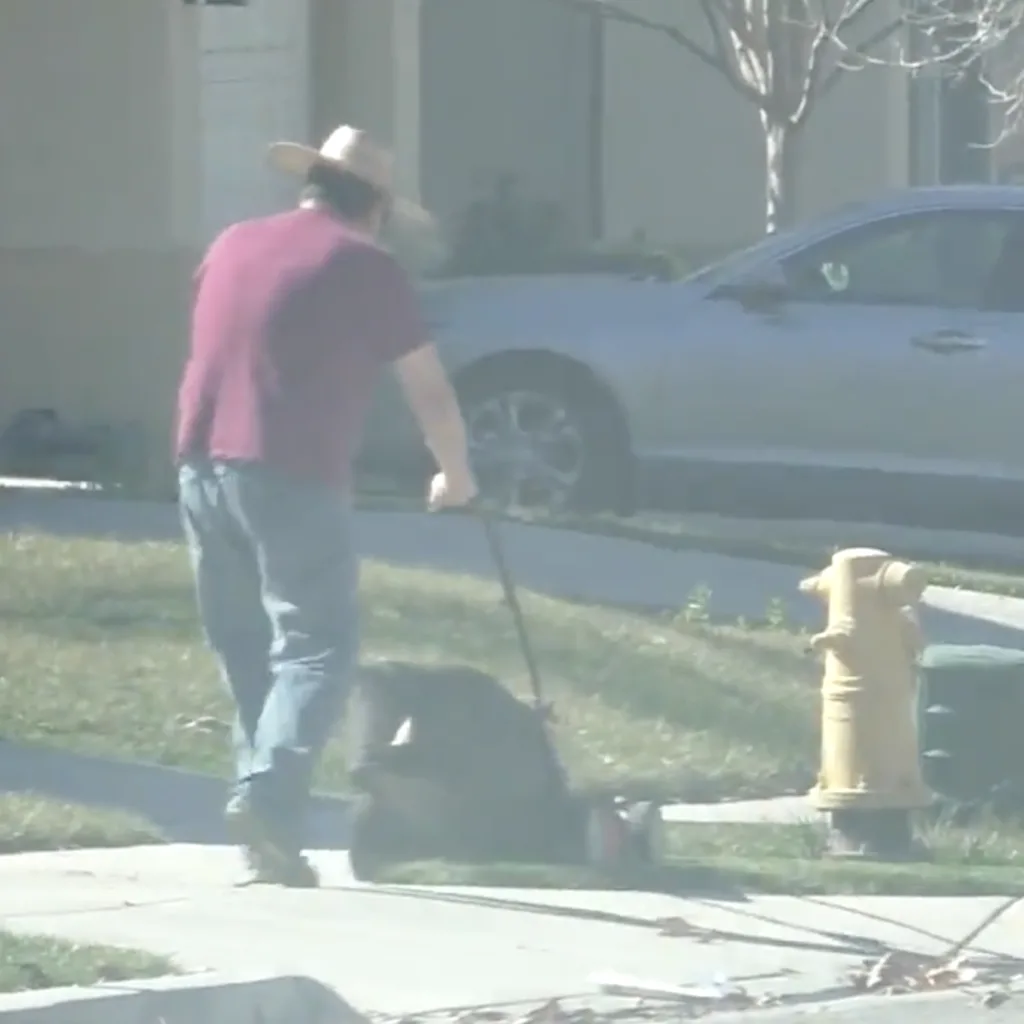
- Surveillance Footage: Videos showing claimants engaging in activities inconsistent with their reported injuries.
- Clear Red Flags:
- Examples include sudden injury reports after a termination or layoff notice,
- Vague or changing descriptions of how the injury occurred
- Discrepancies in witness statements.
- Consistency and Timeline
- A clear sequence of events that outlines when the fraud began and how it was discovered.
- Intent:
- Proof that the claimant knowingly submitted false information to receive benefits.
Why Timely and Accurate Filing of FD-1 form Matters
Prosecutors rely on well-organized reports. By ensuring all relevant data, including witness statements, billing records, and surveillance, is neatly compiled and easily accessible, you increase the chances of prosecution. Filing the FD-1 promptly allows investigators to act quickly, preserving critical evidence such as surveillance opportunities and witness testimonies. Delays in filing may result in lost evidence or missed opportunities to track fraudulent activities.
By taking the time to accurately complete the FD-1 and providing detailed, factual information, you enhance the likelihood that prosecutors will see your case as actionable, leading to stronger outcomes in the fight against workers’ comp fraud.
Suspected Fraudulent Claim Referral form or FD-1
Actual infographic of the Suspected Fraudulent Claim Referral form below

Claim Referral form Continued | page 2.