What the Orange County Judge Case Exposes and What Small Businesses Need to Understand
Most employers think workers’ compensation fraud looks like an employee faking a limp. That’s the easy stuff. The uncomfortable truth is that some of the most damaging fraud doesn’t come from claimants at all comes from inside the system that’s supposed to stop it.
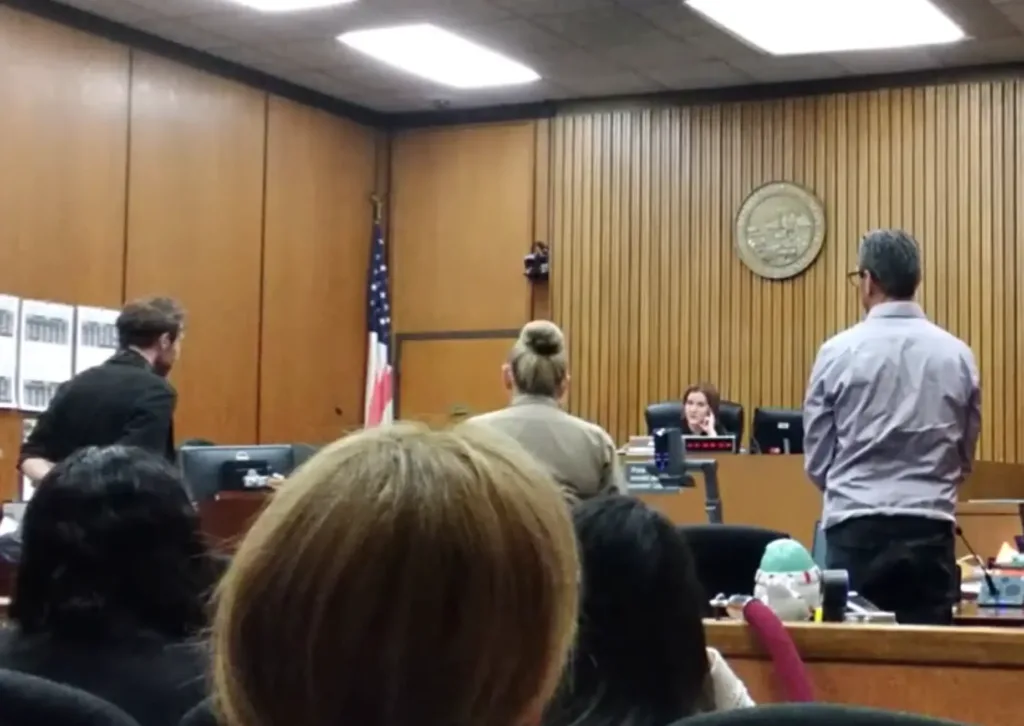
That reality came into sharp focus when Orange County Superior Court Judge Israel Claustro agreed to plead guilty to federal mail fraud charges tied to a workers’ compensation scheme, facing a maximum sentence of 20 years in prison.
Source: Daily Journal
https://www.dailyjournal.com/articles/389271-orange-county-judge-agrees-to-plead-guilty-to-workers-comp-fraud-charges
If a sitting judge can allegedly be part of a comp fraud operation, small businesses need to stop assuming the system will automatically protect them.
It won’t.
Why Investigators Only See the Worst of Workers Comp Fraud
Private investigators don’t get involved in clean claims. By the time a case lands on our desk, it already fails the sniff test. That’s important because it skews perceptions. Employers think fraud is rare, while investigators see it constantly. Both are technically right, but for different reasons.
There’s no reliable percentage of fraud because workers’ comp law doesn’t treat fraud the way other insurance lines do. What would be prosecuted immediately in auto or disability insurance often isn’t charged at all in workers’ comp. The legal language is weak, vague, and tilted toward benefit continuation, not accountability.
So fraud doesn’t disappear. It just hides in plain sight.
The System Is the Exploit
The biggest loophole in workers’ compensation isn’t a dishonest worker. It’s the system itself.
When laws fail to clearly define fraud or require proof of near-criminal intent, bad claims survive simply because they’re expensive to challenge. That creates space not just for malingering claimants, but for larger schemes involving doctors, clinics, interpreters, and referral networks. The Claustro case didn’t happen in a vacuum—it happened in an environment where oversight is thin and accountability is rare.
Small businesses need to understand this: most questionable claims aren’t prosecuted because the system isn’t designed to prosecute them.
Real-World Workers Compensation Red Flags Employers Miss
Fraud doesn’t usually announce itself. It leaks through behavior and timing.
Claims filed first thing in the morning before work even begins.
Minor injuries that somehow justify months of disability.
Medical complaints that don’t line up with the reported mechanism of injury.
Young, physically capable laborers who can’t return to work long after a supposedly minor incident.
Employees who talked about quitting shortly before getting hurt.
Family members posting social media photos that quietly contradict medical restrictions.
None of this requires a crystal ball. It requires paying attention early—something most employers don’t do because they’re afraid of retaliation or legal exposure.
Where Employers Hurt Themselves
The biggest procedural failure isn’t bad intent. It’s a bad systems.
Weak HR policies.
Outdated procedures that don’t reflect California law.
Poor documentation.
Inconsistent employee files.
When records are sloppy, fraudulent claims grow stronger over time. By the time surveillance starts, the paper trail already favors the claimant.
That’s not bad luck. That’s preventable.
What Employers Can Do to protect themselves against false claims Immediately
Small businesses don’t need to become investigators. They need to stop being passive.
Review and update policies regularly to match local law.
Create written procedures for handling suspicious claims.
Normalize the use of investigators so it’s not a “panic move.”
Use professional private investigators who know how to lawfully gather social media intelligence, witness statements, and legal surveillance services that holds up under scrutiny.
Workers Comp Fraud investigations isn’t about “catching” someone. It’s about establishing facts when the story doesn’t line up. It's about work comp claims becoming a workplace pattern.
The Reality Gap About Big Fraud
Here’s the uncomfortable truth: private investigators can expose individual fraud. They cannot dismantle large medical or capper rings alone. That takes funding, time, and authority—things only large agencies or the government possess.
That’s why cases like the Claustro matter. They confirm what investigators already know: some fraud is systemic, organized, and protected until it isn’t.
The Most Dangerous Myth Employers Believe
The worst misconception is that fraud charges are the goal.
They usually aren’t.
Workers’ comp fraud requires proving intent, not just dishonesty. That’s a high bar. Employers damage their own cases by chasing criminal outcomes instead of focusing on what actually matters—limiting exposure, terminating benefits when justified, and preventing bad claims from metastasizing.
The realistic win isn’t prison. It’s stopping the bleed.
The Bottom Line
If a judge can be charged in a workers’ compensation fraud scheme, employers need to abandon the fantasy that the system works.
It doesn’t.
The businesses that survive workers’ comp abuse aren’t aggressive, they are prepared. They document early, act early, and bring in licensed California private investigators before bad claims become permanent costs.
That’s not paranoia. That’s experience.