Recently, we were contacted by a mid-sized Southern California employer operating in both Orange County and Los Angeles. With approximately 350 employees providing overnight commercial cleaning services, this is the type of company most people never notice — yet rely on every morning when their offices are clean and ready for business.
Over the past year, nearly 30 employees filed workers’ compensation claims.
That’s close to 10% of their workforce.
For any employer, that number raises serious operational and financial concerns.
Initially, the company did what responsible employers are expected to do. They allowed the insurance carrier to evaluate claims. They cooperated fully. They kept employees on payroll in hopes that recovery would allow them to return to work. They followed the process.
But as time passed, patterns began to emerge.
Some claims followed workplace disagreements.
Some were filed shortly after disciplinary conversations.
A few appeared retaliatory in nature.
Individually, each claim might seem routine. Collectively, leadership began to question whether they were facing a broader cultural issue.
That’s when they asked for a consultation.
Identifying the Right Case to Investigate
When I met with the executive team, I didn’t ask, “Which claims are fraudulent?”
Instead, I asked, “Which five concern you the most and why?”
Fraud investigations are not built on assumptions. They are built on patterns, inconsistencies, and documented behavior. In situations involving repeated or questionable claims, structured workers’ comp surveillance services can provide employers with documented evidence that clarifies inconsistencies before financial exposure escalates.
One case stood out.
The employee had been with the company for 15–20 years and had been promoted to supervisor. There were indications he was unhappy in his role. He had recently purchased a home nearly 90 minutes from the workplace, significantly increasing his commute. Leadership sensed frustration about finances and long-term retirement prospects.
Then an accident occurred.
According to the report, he fell backward down a set of stairs. There were no witnesses. No video. The claim relied entirely on his account.
The employer immediately responded appropriately. He was sent to the hospital. He remained on full salary during recovery. The company expressed support.
But over the following months, the claim escalated.
He could not return to work.
He could not perform supervisory duties.
He reportedly could not drive.
On the surface, nothing about that is inherently alarming. Injuries happen. Recovery varies.
From an investigative standpoint, however, certain elements raised red flags:
• A sudden and unwitnessed accident
• Escalating limitations over time
• Complete inability to drive
• Ongoing wage replacement
• Prior dissatisfaction with employment
Individually, these are not proof of fraud.
Together, they warrant verification.
Strategic Workers’ Comp Surveillance
Rather than launching an aggressive operation, we began with a limited, structured surveillance plan.
In situations like this, properly executed workers’ comp surveillance services are designed to establish a baseline — not to trap someone, but to document activity objectively.
On the first day, we conducted what I would call a “light touch” observation.
The subject appeared physically active — already exceeding some of the limitations described to his employer.
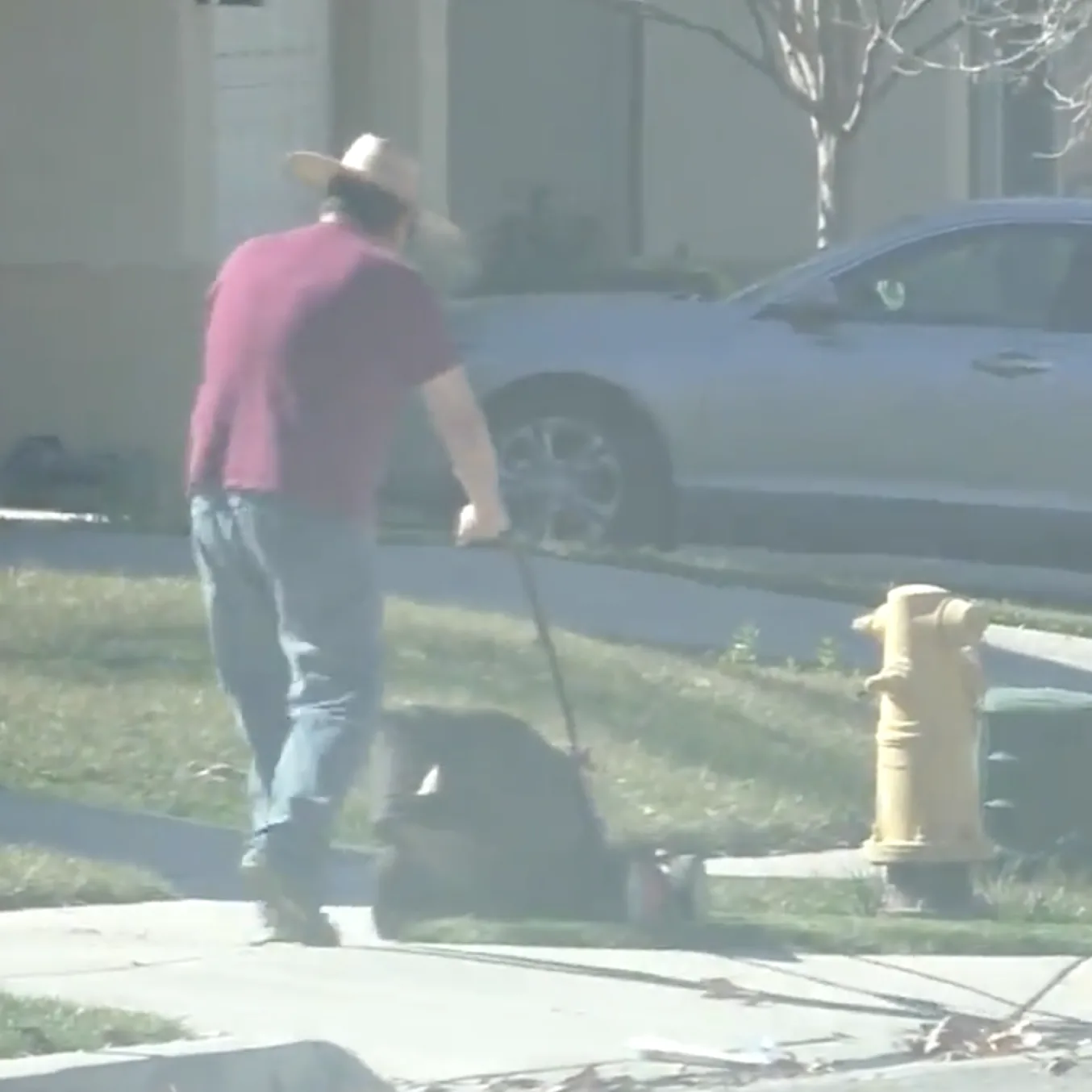
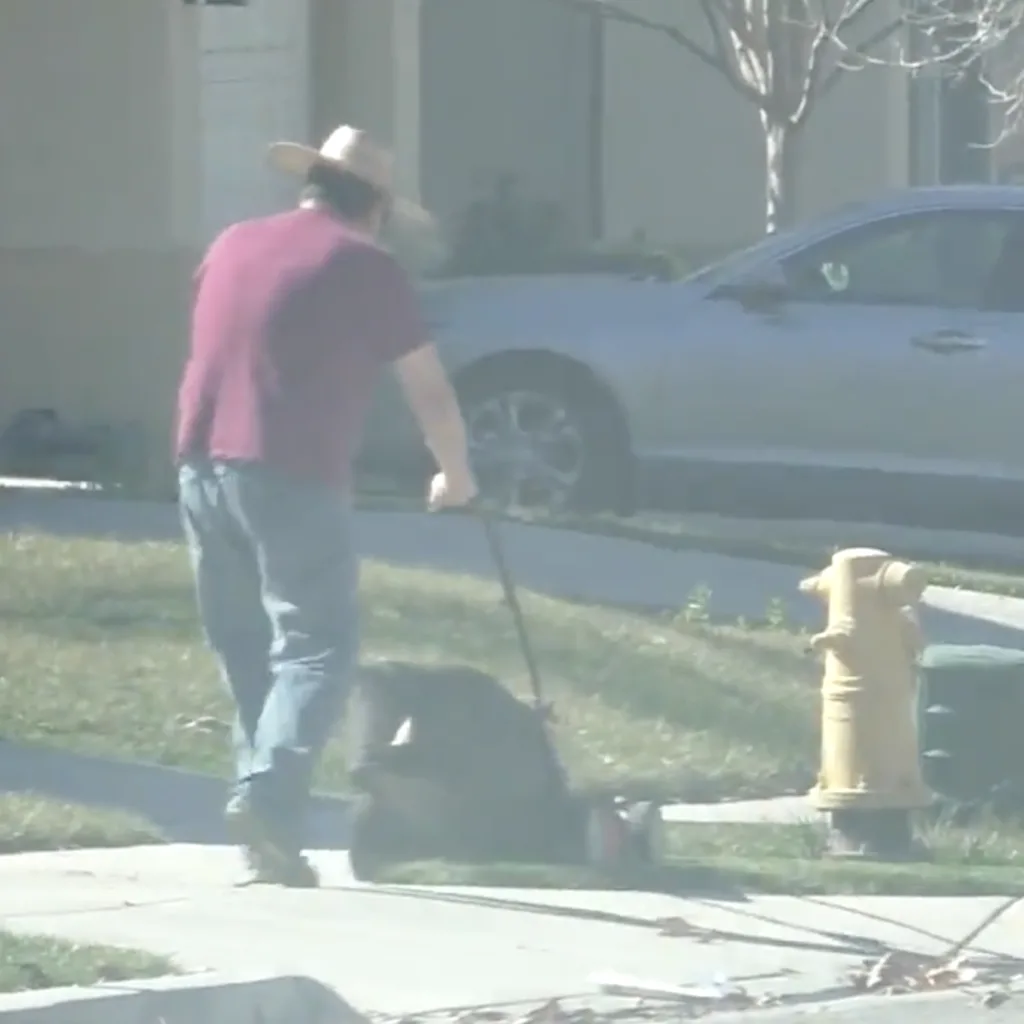
On the second day, we documented him mowing his front lawn for approximately 15 minutes. He then moved to the backyard, where the sound of continued mowing persisted for another 15 minutes. Later that evening, he was observed spreading grass seed.
On a subsequent day, we recorded him driving independently and running errands.
Each activity was time-stamped, documented, and preserved carefully.
The issue was not that he was active.
The issue was that these activities directly conflicted with the severity of restrictions being reported.
What Happens After Surveillance?
All video evidence was cataloged. Still images were extracted to highlight key physical movements — bending, pushing, pulling, lifting, prolonged standing, and driving. A structured investigative report was prepared outlining observed activity and comparing it against reported limitations.
The findings were delivered directly to the employer.
At that point, the question was not simply whether activity had been captured. The question was how to proceed strategically.
Based on our experience in workers’ compensation fraud investigations, we recommended that the evidence not be immediately disclosed in full. Instead, we advised that counsel move forward with a deposition.
Why?
Because sworn testimony matters.
If an injured worker testifies under oath that he cannot drive, bend, lift, or perform certain activities — and that testimony is later contradicted by documented surveillance — the evidentiary value increases significantly.
If exaggerated restrictions continue after deposition, a second, narrowly structured round of surveillance may be appropriate to determine whether the pattern persists.
When documented activity contradicts representations made to physicians, employers, and legal counsel, the matter can evolve from a disputed claim into a potential fraud referral.
It is not the role of an investigator to determine guilt.
Our role is to document facts carefully, lawfully, and strategically so that employers, insurers, and attorneys can make informed decisions.
In this case, the investigation was structured deliberately — not to assume fraud — but to clarify the truth.
Why Early Evaluation Matters
High claim frequency within a workforce can signal many things: safety breakdowns, morale issues, supervisory problems, or potential abuse of the system.
Before drawing conclusions, employers need documentation.
Proactive investigation protects responsible employers — and it protects legitimately injured workers by preserving the integrity of the system.
When patterns begin to emerge, early intervention through experienced workers’ compensation fraud investigations can help employers move from frustration to documented facts.
If your organization is facing an unusual spike in workers’ compensation claims in Los Angeles, Orange County, or surrounding Southern California areas, understanding your options early can make all the difference.