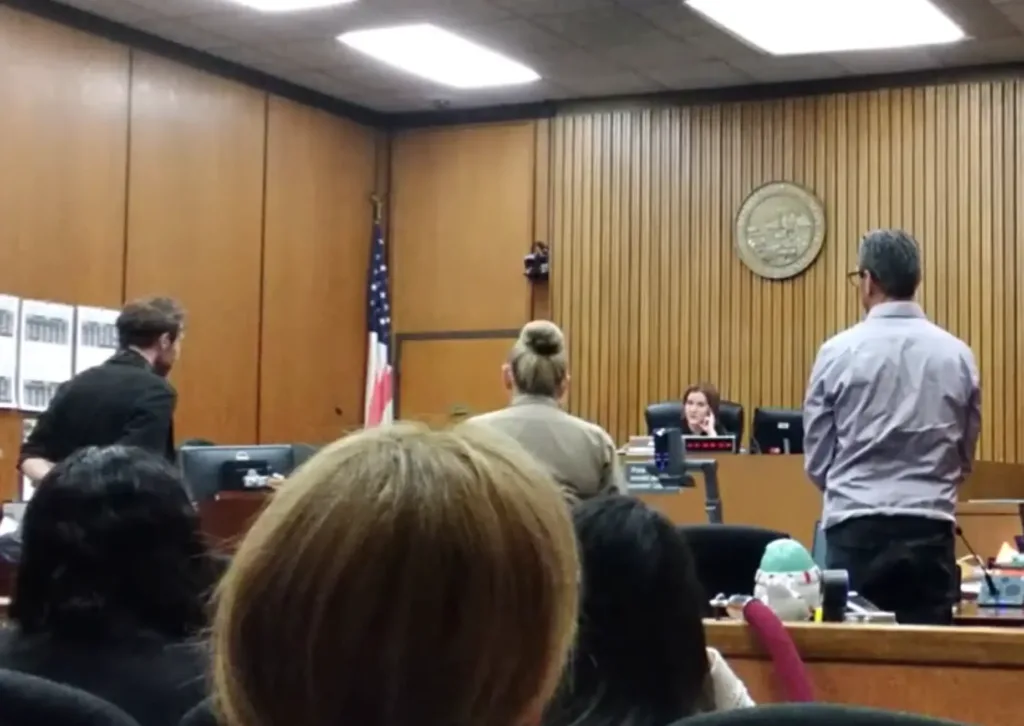
Cohabitation investigations Services have become increasingly common in divorce and post-judgment family law matters, particularly when alimony is involved. When an ex-spouse enters a new long-term living arrangement but continues receiving support, the financial impact can be significant. Properly conducted investigations can provide the evidence courts require to reassess those obligations.
What Courts Look for in Cohabitation Cases
Courts typically look for consistent patterns that demonstrate shared residence and shared domestic life. This includes regular overnight presence, joint transportation, shared childcare responsibilities, household involvement, and routine daily behavior observed over time; Taking the kids to school or sports, going to work and returning, getting the mail and using their own key are HUGE. Sadly, one isolated day of surveillance doesn't cut it, Consistency does.
What Prompted the Cohabitation Investigation?
In this case, our client we’ll call him Richard was ordered to pay substantial spousal support after his divorce. The marital home, which he had shared with his former wife and their three children, remained occupied by his ex-wife, Rachel. Shortly after the separation, Richard learned Rachel had begun a relationship with another parent from their children’s school.
Despite this new relationship, Richard continued paying full alimony.
Over time, Richard discovered that Rachel’s new partner Chris was no longer an occasional visitor. Chris had moved into the residence with his own child and was actively involved in daily household routines. To pursue a modification of support, Richard needed legally defensible proof of cohabitation not assumptions, not hearsay.
That’s when he contacted our investigative team.
Before beginning surveillance, we explained exactly what courts look for: evidence of ongoing shared residence, not temporary stays. That meant documenting consistent overnight presence, shared responsibilities, and day-to-day behavior across multiple days and weeks.
Our investigation began early on a weekday morning. Surveillance confirmed both adults exiting the residence together with the children, transporting them to school, and running errands as a family unit. Throughout the day, the couple alternated childcare responsibilities a key behavioral indicator of cohabitation. All activity was captured through time-stamped video documentation.
On the second day of surveillance, the pattern continued. In addition to school drop-offs and pickups, Chris was observed performing household tasks such as collecting mail and managing trash — further reinforcing the presence of a shared domestic arrangement. Surveillance continued into the evening, documenting the couple returning to the residence together with the children.
To eliminate any argument that the situation was temporary, we conducted additional surveillance weeks later. The same behavioral patterns were observed: shared departures, joint errands, childcare responsibilities, and overnight presence.
The compiled evidence clearly demonstrated to a reasonable person that there was cohabitation.
Our client’s attorney was able to present this documentation in court, resulting in a significant reduction in Richard’s alimony obligation.
This case highlights why cohabitation investigations must be conducted methodically, legally, and with courtroom scrutiny in mind. Short-term surveillance or assumptions are rarely sufficient. Consistency is what matters and that requires experience.
If you are facing a similar situation and need reliable, court-ready evidence, contact-us, the licensed private investigators at Paramount Investigative Services. We specialize in discreet, legal surveillance designed to withstand legal challenge. Read how can a cohabitation investigation help you.