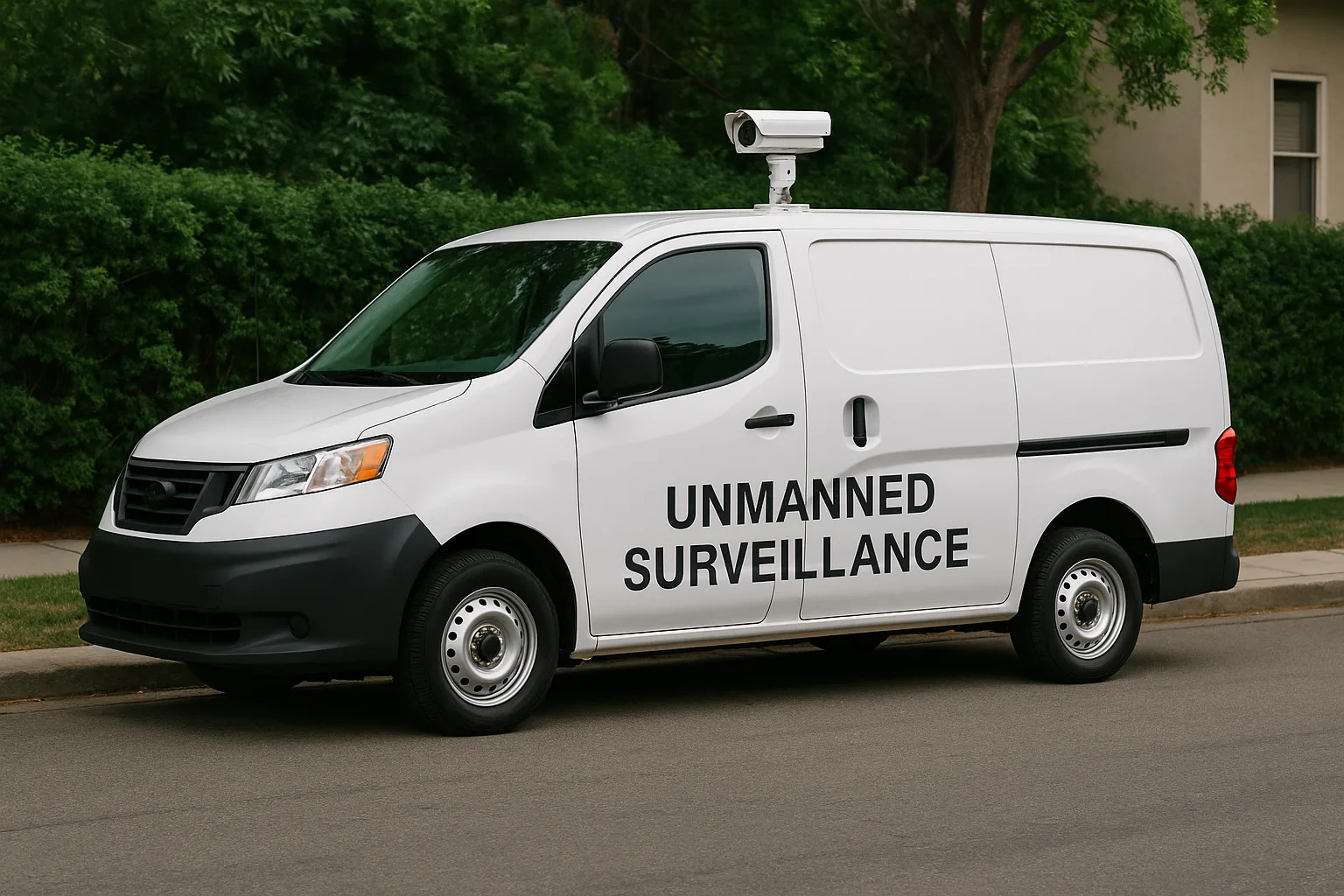
3 Reasons Unmanned Surveillance Sucks
There are multiple limitations when it comes to unmanned surveillance. Surveillance requires common sense, quick wit, and keeping up with the subject. Having unmanned surveillance removes all three of those skills. Even though movies and TV shows make unmanned surveillance look intriguing, in reality, it’s far from it. Below are three reasons as to why it doesn't work.
- The investigator can’t testify in court.
Unmanned surveillance can be a useless and tricky attempt surveillance. If a vehicle is parked across the street from someone’s residence, an investigator can’t testify as to who is coming and going from the residence as it can be easily disputed. Often times, our surveillance comes down to testimony and an investigator can only testify to setting up the cameras, parking the car, and nothing more. - The investigator can’t follow the subject and ID them.
Unmanned surveillance can’t move. A surveillance investigator can identify everyone coming and going from a residence and follow the person most fitting to a description. When a surveillance investigator is on a case, they can follow the subject, identify them, and run their vehicle plate to confirm identity. We’ve even followed subjects into Starbucks and had the barista yell out their name as another way confirm their identity. - Drones are practically off limits.
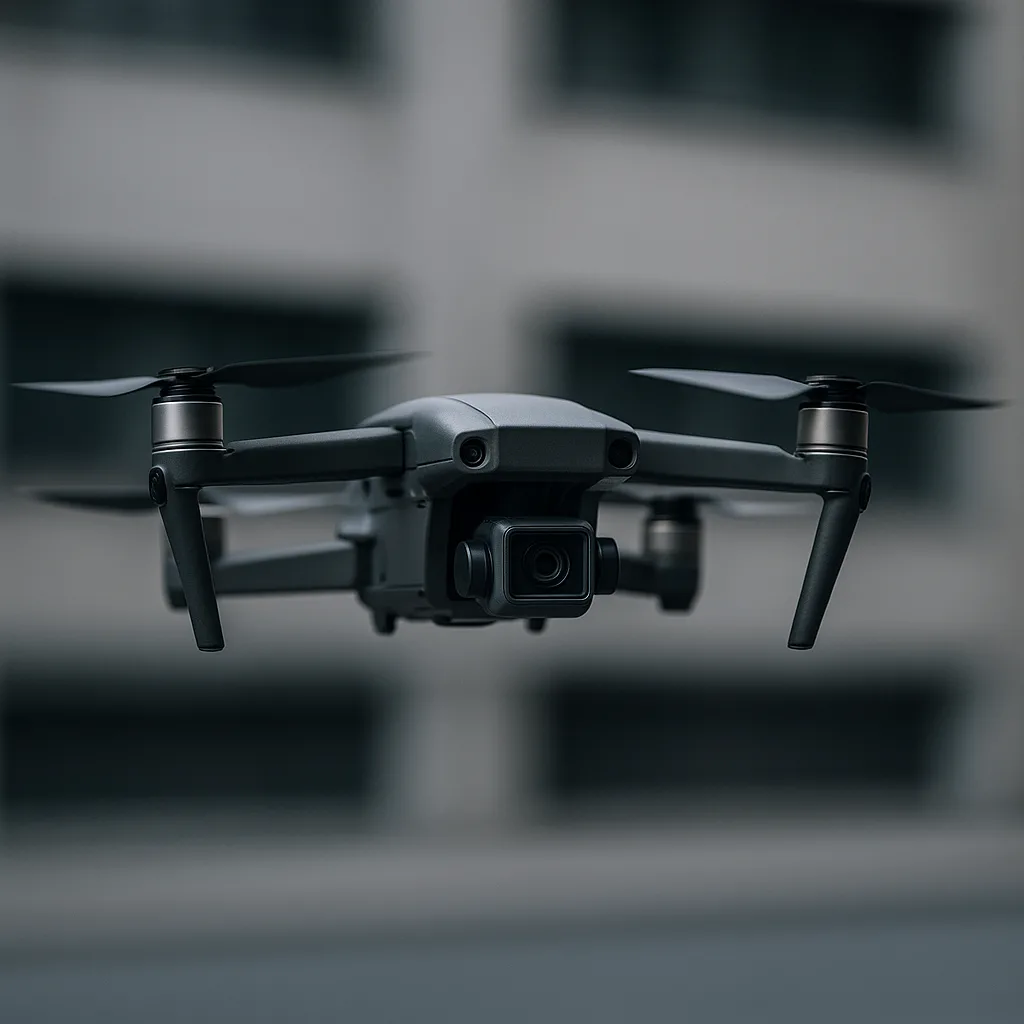
Clients often ask if we use drones for surveillance and the short answer is no. While it might sound high-tech and effective, the reality is that California’s privacy laws make drone surveillance extremely limited and in many cases, illegal. There are rare cases that it can be useful but they are not common. We cannot use a drove to hover over someone’s gated and unapproachable property to see what they’re doing in their backyard. Not too mention they are loud and go through batteries often.
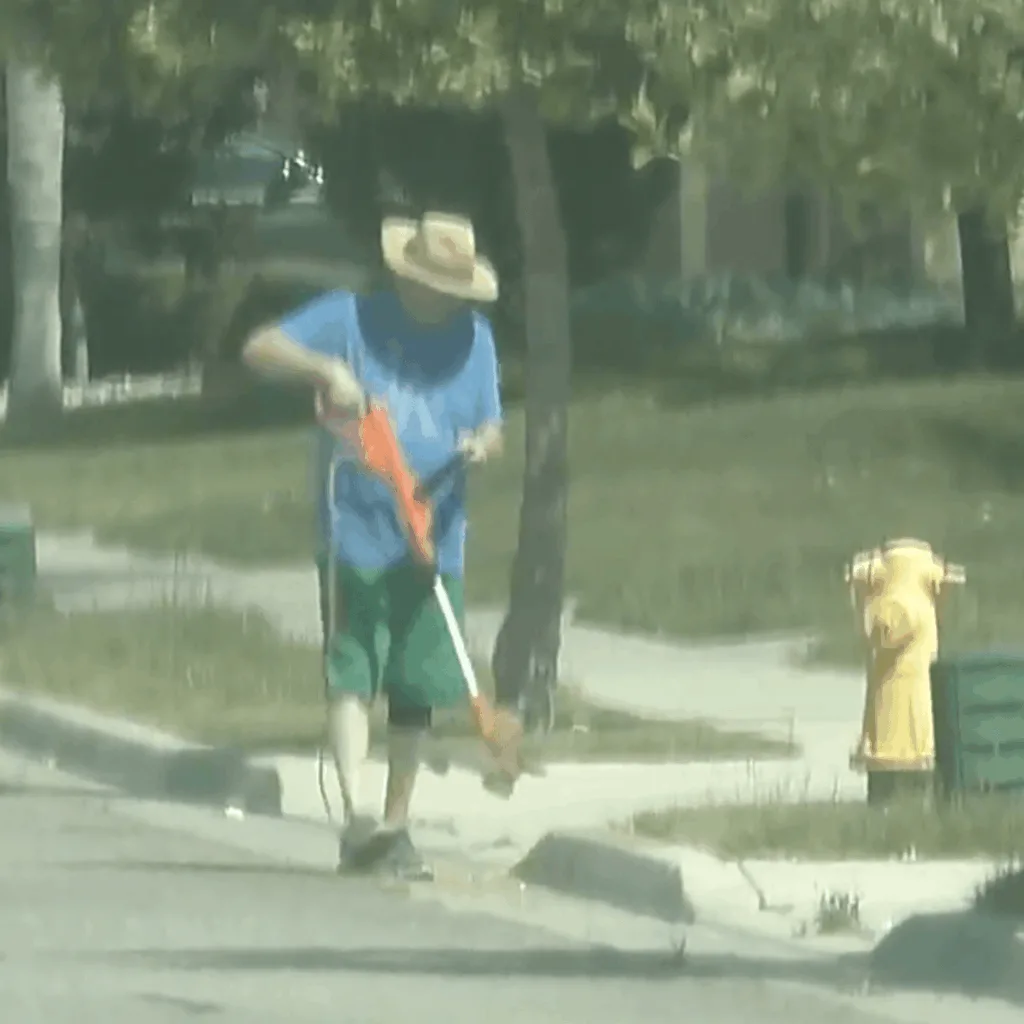
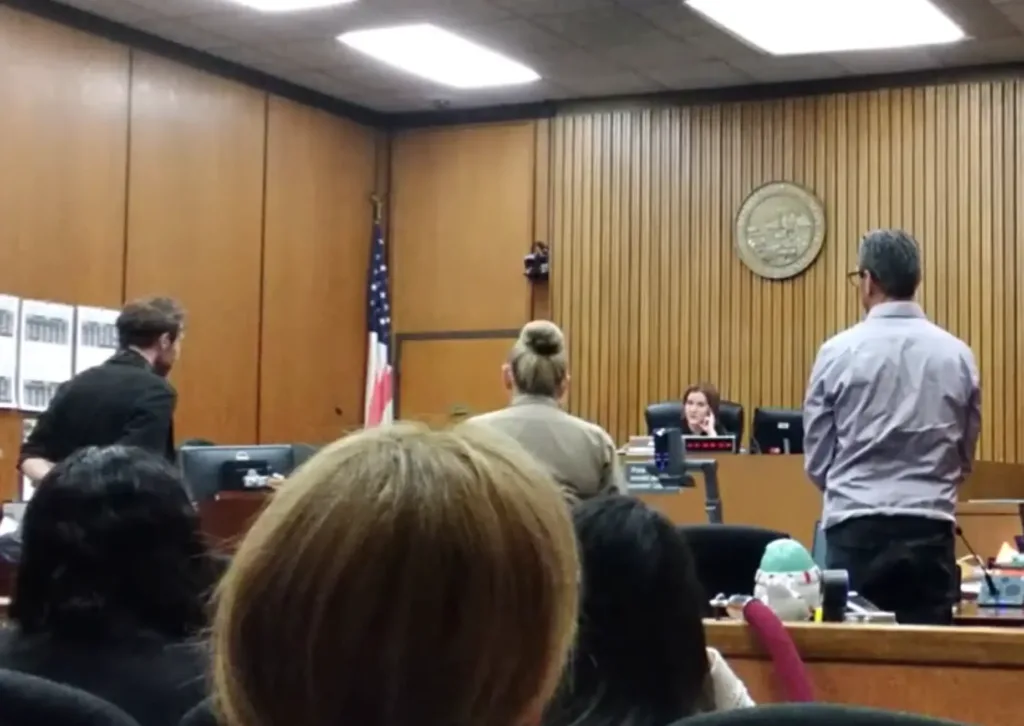
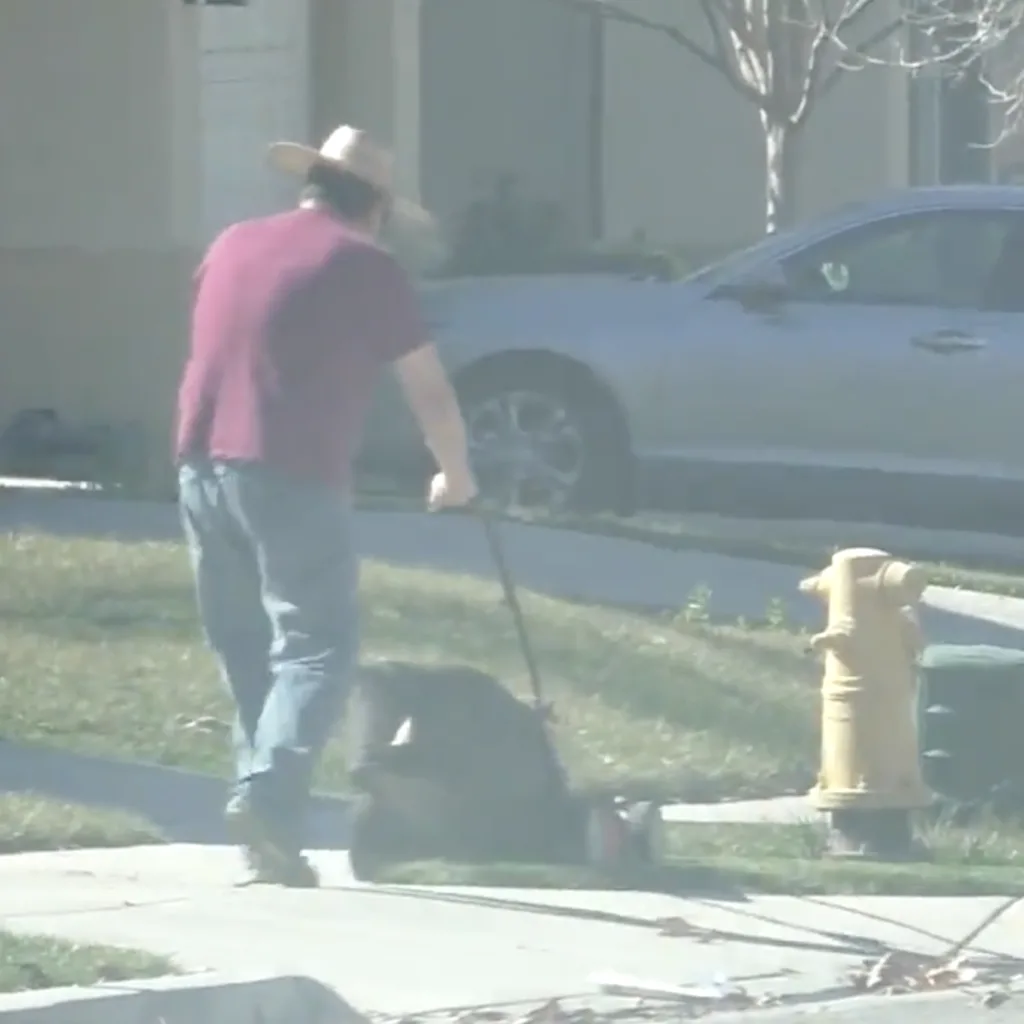
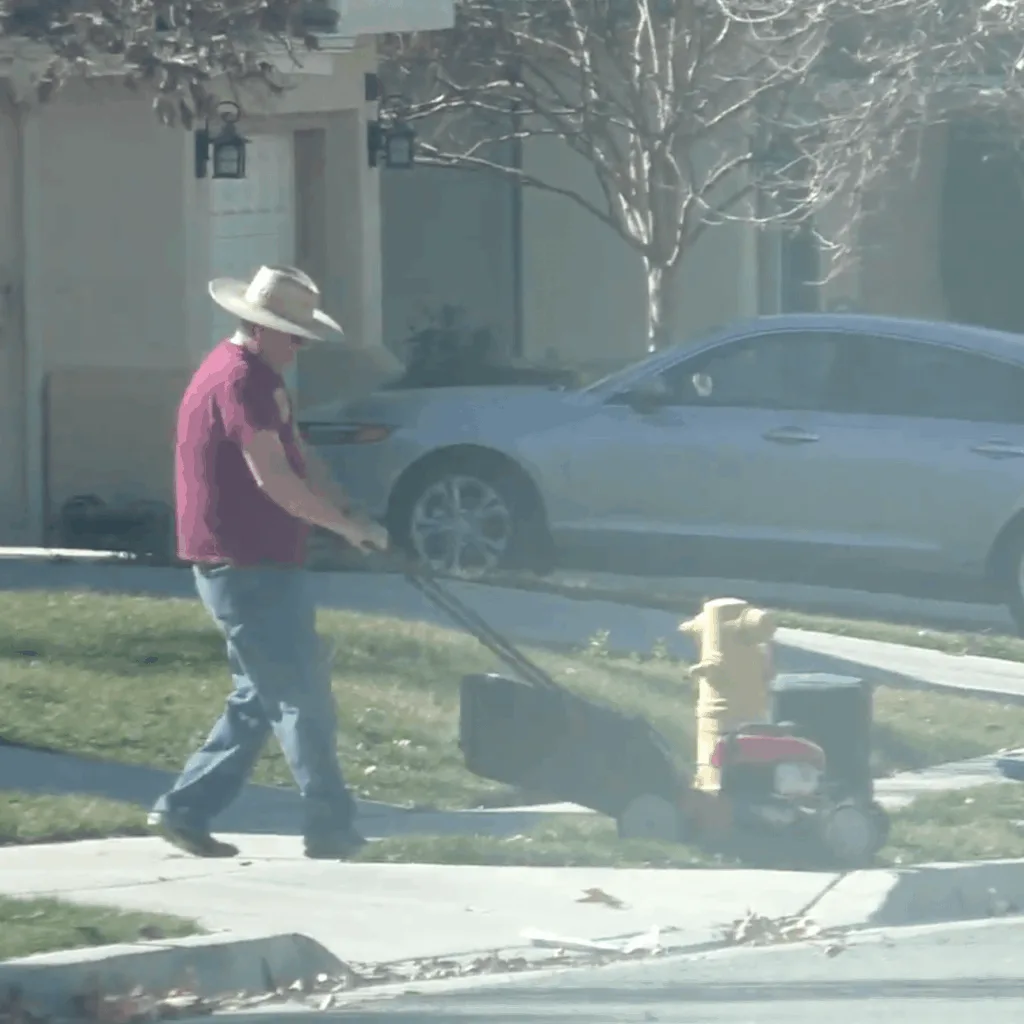
Years ago, a colleague told us a story of a high risk injury case that went to a jury trial. The private investigator was on the stand and was testifying to his unmanned surveillance vehicle video. The PI explained the video showed the injured woman mowing her lawn in Burbank. But during cross examination, the plaintiff’s attorney asked the investigator how he could confirm the woman’s identity. The PI admitted he assumed it was the claimant because she exited the house and matched the general description. When asked if it could’ve been the claimant’s sister, the PI couldn’t answer definitively. As a result, the footage was ruled inadmissible and worthless which was a major blow to the defense.