Workers’ compensation claims are meant to provide support for employees who are legitimately injured on the job. However, exaggerated or fraudulent claims can create significant costs for employers and insurance carriers. One effective way to identify inconsistencies is by conducting surveillance before a claimant’s deposition.
Understanding the Role of Depositions in Workers’ Compensation Cases
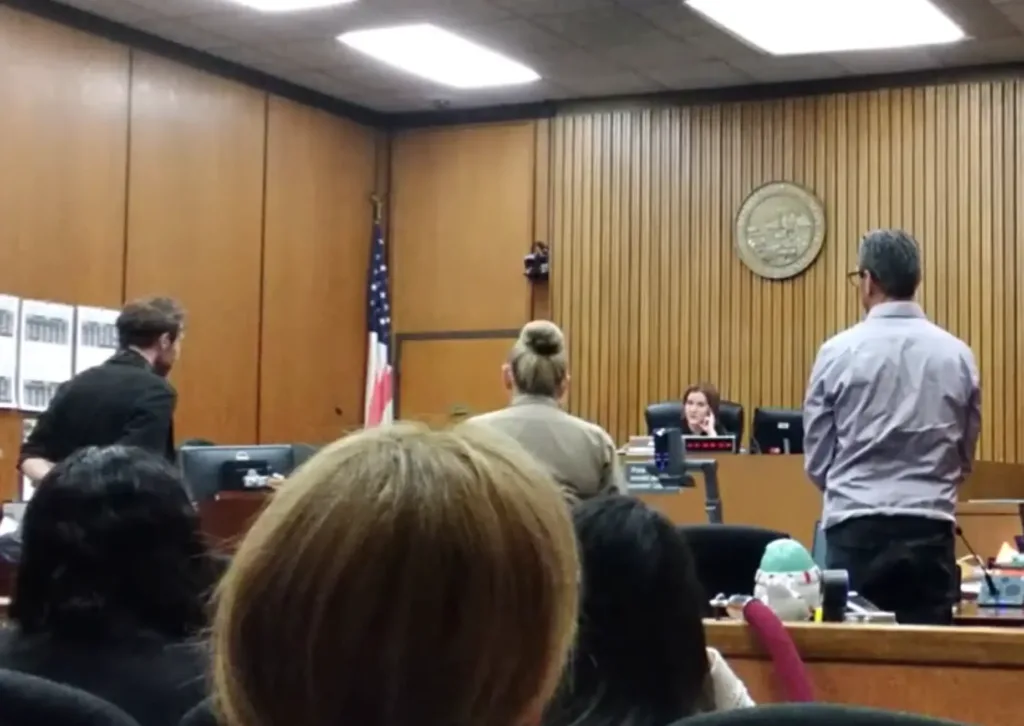
A deposition is sworn testimony where the injured worker answers questions about the alleged injury, their physical limitations, and daily activities. Because this testimony is given under oath, it becomes an important part of the case. Conducting surveillance before the deposition allows attorneys and investigators to gather valuable information that can guide more focused questioning.
How Pre-Deposition Surveillance Provides Valuable Insight
Timing plays an important role in workers’ compensation investigations. Surveillance conducted before a deposition often captures natural behavior before the claimant becomes fully aware of the scrutiny involved in the legal process. This can provide a clearer picture of their actual capabilities.
Pre-deposition surveillance can reveal a claimant’s true physical abilities and routine activities. Investigators may observe the individual lifting objects, driving, exercising, or performing tasks that appear inconsistent with the reported injuries. This information allows attorneys to ask more specific questions and clearly define the claimant’s alleged limitations.

A deposition quickly reveals the strength of an attorney. Strong attorneys ask precise questions that force a claimant to commit to specific details about what they can and cannot physically do. Weak attorneys stay on the surface, ask broad questions, and allow vague answers that accomplish nothing except running up everyone’s legal bills. When testimony stays general, the case stays muddy.
How Pre-Deposition Surveillance Helped Reveal Inconsistencies
In one case, a client mentioned a claim that raised serious concerns. After learning the alleged injuries, we conducted surveillance before the claimant’s deposition. During the investigation, we captured video of the claimant grocery shopping, mowing the lawn, picking up his grandson, and carrying large pieces of furniture. These activities appeared to contradict the physical limitations described in the claim and gave the attorney useful information going into the deposition.
We also conducted surveillance on the day of the deposition. In our experience, claimants often arrive appearing visibly injured; wearing braces, limping, or presenting themselves as physically limited. This claimant did exactly that. However, our earlier surveillance had already documented him performing everyday activities without any visible signs of injury. The contrast between his normal behavior and his presentation at the deposition became powerful evidence in the case.
When detailed deposition questioning is combined with professional surveillance, investigators and attorneys are better positioned to identify inconsistencies and challenge questionable claims. For employers, insurance carriers, and defense attorneys, pre-deposition surveillance can be a valuable tool in protecting the integrity of the workers’ compensation system