
Disprove Medical Malpractice Lawsuits – Surveillance Investigations
What is Medical Malpractice or “Med Mal?”
What is medical malpractice? At its core, medical malpractice occurs when a healthcare provider deviates from the standard of care, causing harm to a patient. This standard is defined as what a reasonably competent healthcare professional in a similar situation would do. Malpractice can take many forms, including surgical errors, misdiagnoses, medication mistakes, or a failure to warn patients about potential risks. It is not enough for a patient to be dissatisfied with their care; there must be a demonstrable error that directly led to harm. This distinction is critical in separating poor outcomes, which can occur even with excellent care, from actionable negligence.

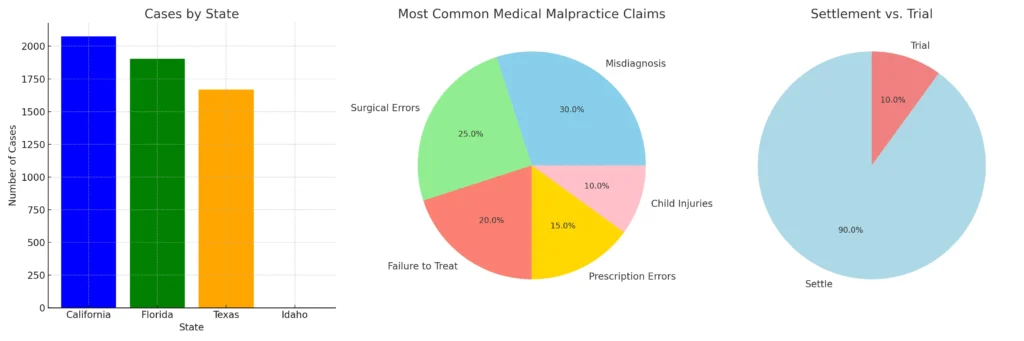
Medical Malpractice Statistics: 20K Annually 90% of claims settle while 10% continue to trial.
The Importance of Investigating Medical Malpractice Claims
One of the most crucial steps in addressing a medical malpractice claim is conducting a thorough investigation. Due to the high possibility that some patients may be primarily seeking a financial payout, it is essential to evaluate the validity of the allegations. Not every claim stems from genuine negligence; in some cases, patients or their legal representatives may perceive malpractice as an opportunity to secure compensation for adverse outcomes that were not preventable. By carefully reviewing medical records, consulting with experts, and analyzing the circumstances surrounding the incident, healthcare providers and their legal teams can identify the strengths and weaknesses of the claim. Once the claim is made it is imperative that there be follow up such as malpractice surveillance.
What Does Medical Malpractice Involve?
Medical malpractice claims involve several key components. First, there must be an established doctor-patient relationship. This relationship forms the basis of a provider's duty to the patient. Next, there must be a breach of that duty, meaning the healthcare provider’s actions fell below the accepted standard of care. The breach must then be shown to have directly caused harm, which can include physical injury, emotional distress, or financial loss. Finally, damages—such as medical expenses, lost wages, or pain and suffering—must be quantifiable and tied to the alleged malpractice.
What is the Statute of Limitations?
Understanding the statute of limitations is a critical aspect of medical malpractice cases. According to the California Civil Code of Procedures or (CCP) § 340.5, this statute sets the timeframe within which a patient must file a claim from one to three years, starting from the date of the injury or when the patient discovered, or should have discovered, the harm. However, there are some exceptions.
What Can Doctors Do to Protect Themselves Against Medical Malpractice Claims?
Doctors can take proactive steps to protect themselves against medical malpractice claims. Clear and thorough communication with patients is one of the most effective strategies. When patients fully understand their diagnoses, treatment options, and potential risks, they are less likely to feel blindsided by adverse outcomes. Maintaining detailed and accurate medical records is equally essential, as these documents often become key evidence in defending against claims. Additionally, adhering to best practices and staying current with medical advancements through continuing education can help minimize errors. Furthermore you should have your contracts and waivers reviewed regularly by attorneys in your state along with having them help you develop strategies on how to handle potential bad apples or suspected claimants.
What Can a Healthcare Provider Do Once a Claim has Been Filed?
The first step is to notify your malpractice insurance carrier, which will often provide legal representation. Cooperating fully with your attorney and providing all requested information is essential to building a strong defense. Do not discuss the case with colleagues or on social media, as these conversations can be used against you.
Focus on preparing for the legal process with your lawyer’s guidance. While the experience can be challenging, many claims are resolved through settlements or are dismissed due to insufficient evidence. Knowing your rights and having the right support can make all the difference.
Medical malpractice cases are a reminder of the delicate balance between patient care and legal accountability. By understanding the legal landscape and adopting preventive measures, healthcare providers can better navigate this complex field while continuing to deliver high-quality care.
Step two, be sure to investigate the validity of the claim. You know the person best and you may have insights as to if they were suspicious to begin with. If you don't know the claimant well we can certainly recommend the following; social media investigations, locate witnesses, serve subpoenas and covert surveillance.
You are in good hands with Paramount Investigative Services.