When a workplace injury occurs and a workers’ compensation claim is filed, both the employer and the insurance carrier often want to understand exactly how the incident happened. The initial report of injury is only the beginning of the investigation process.
In many cases, the first step is obtaining a statement from the injured employee. If the employer did not gather a statement at the time of the incident, the insurance carrier will often have an investigator conduct one shortly after the claim is filed.
The purpose of this statement is to document what allegedly occurred and capture the injured worker’s version of events. Best practices dictate that statements be obtained as close to the date of the accident as possible, when memories are fresh and details are more likely to be accurate.
At this stage, if the injury appears legitimate and the facts align with the reported incident, the claim simply moves through the normal workers’ compensation process and the employee hopefully returns to work once recovered.
However, if inconsistencies begin to appear or if certain red flags emerge the employer or insurance company may initiate additional investigative steps.
In some situations, this may include formal workers’ compensation fraud investigations, especially when the reported injury does not align with the physical limitations being claimed.
Investigative Methods
When concerns arise about the legitimacy of a claim, investigators may use several tools to gather additional information. These can include:
- Social media research
- Civil and background records searches
- Workers’ compensation claim history reviews
- Subrosa surveillance
In California, it is not uncommon for multiple investigative techniques to be used simultaneously.
Social media research, for example, can sometimes reveal inconsistencies between an individual’s reported injuries and their public activities. Posts showing physical activities that contradict claimed restrictions can become important evidence during a claim investigation.
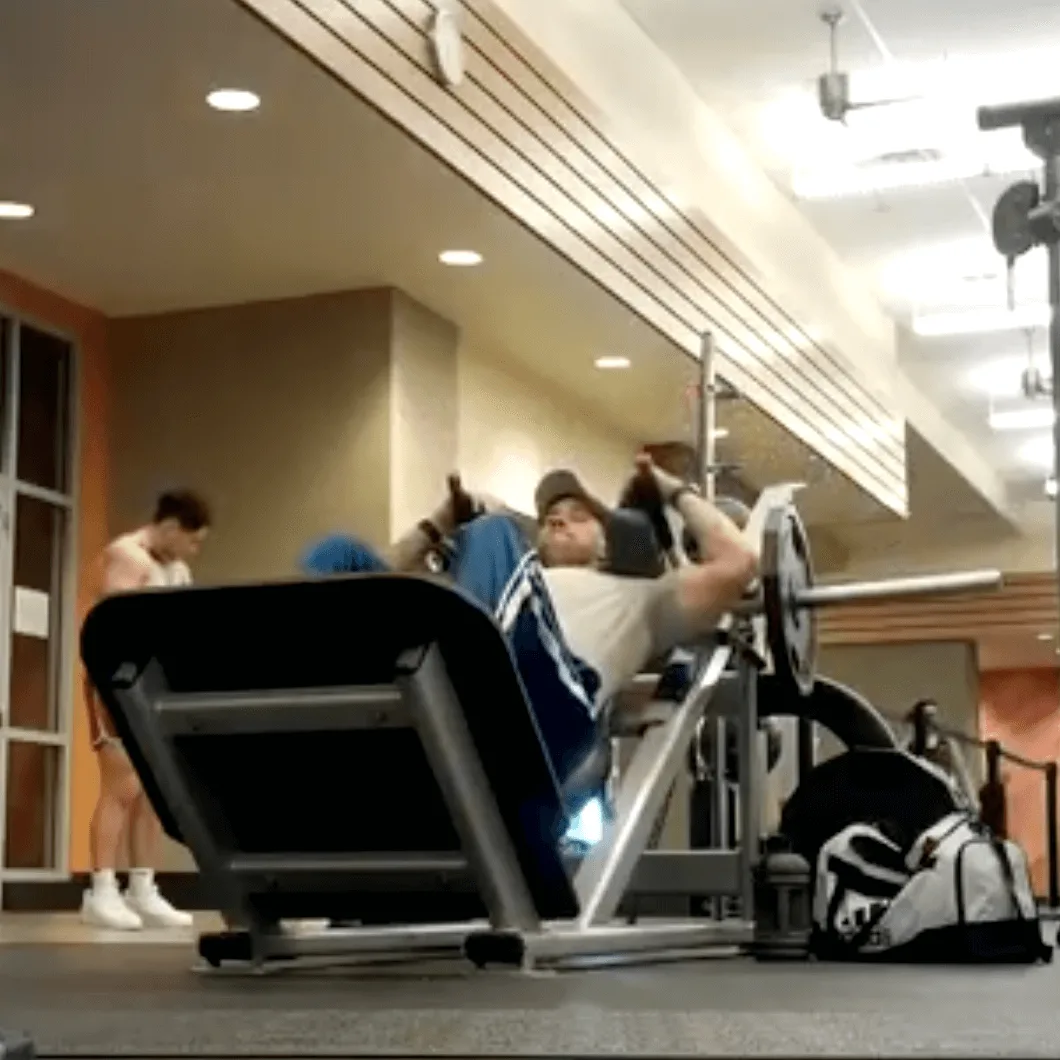
In one recent case, a Los Angeles police officer who reported being completely disabled due to an elbow injury was later observed working out at a gym. The situation worsened when he posted a photo of himself skydiving on social media. Prosecutors later charged the officer with workers’ compensation fraud, a crime that can carry serious penalties in California.
Why Early Investigation Matters
From an investigative standpoint, timing is critical.
Employers and insurance carriers benefit from gathering information as soon as a claim is filed. Early documentation helps establish a baseline for the injured worker’s physical capabilities and reported limitations.
This is why many investigators recommend conducting social media reviews and public records searches immediately after a claim is reported. In recent years, many attorneys have begun advising clients to make their social media accounts private or remove potentially problematic content once a claim is filed.
Early investigation helps preserve information before it disappears.
The Role of Surveillance in Workers’ Compensation Cases
When inconsistencies exist between the reported injury and other evidence, surveillance may be used to determine whether the individual’s daily activities align with their claimed restrictions.
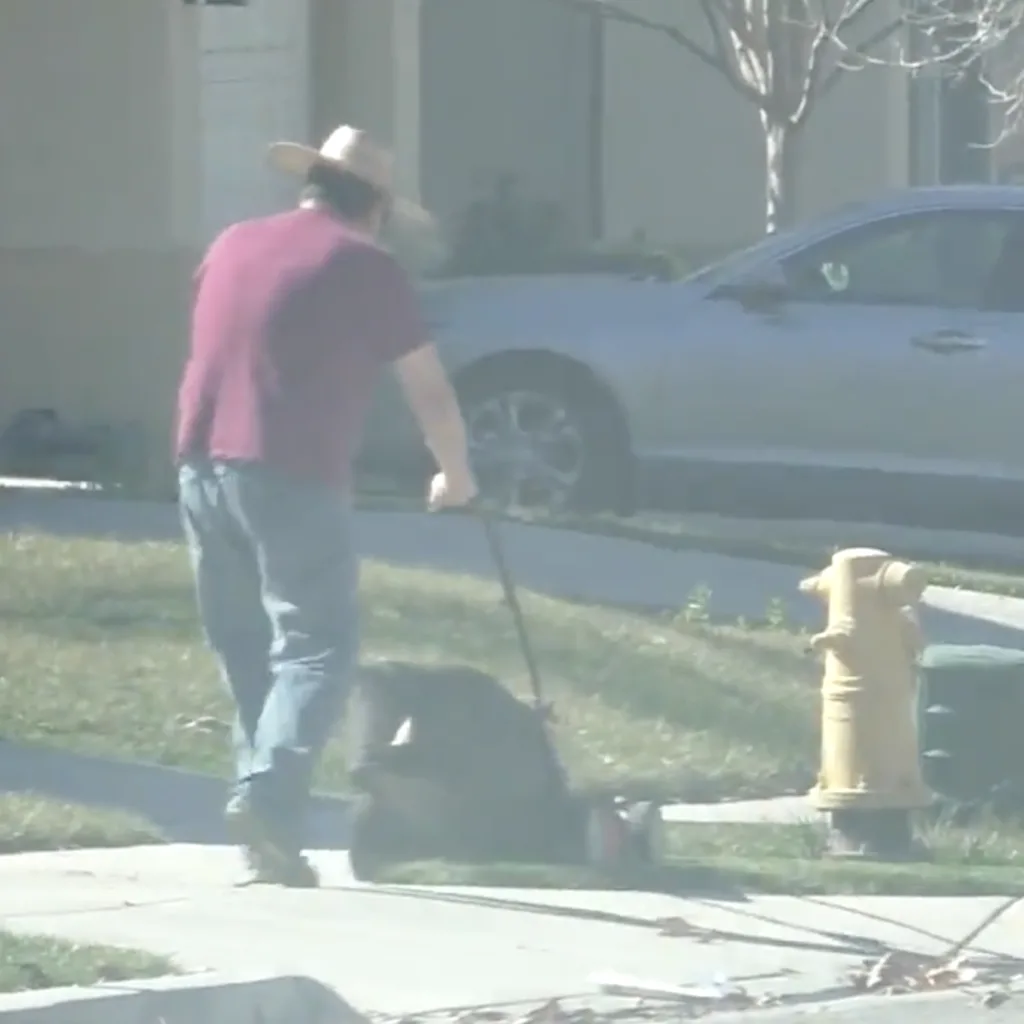
Properly conducted workers’ comp surveillance services can establish a baseline of activity and document behavior over time. Surveillance is not used to trap someone, but rather to verify whether physical activity matches the limitations being reported to employers, physicians, and insurance carriers.
If the injured worker appears to be legitimately injured, the claim proceeds through the normal process.
However, if surveillance reveals activity that contradicts medical restrictions or sworn statements, the evidence may become relevant during depositions, litigation, or claim negotiations.
In many cases, this documentation can significantly influence how a claim is resolved.
Investigations Help Protect the Integrity of the System
It is important to remember that the vast majority of workers’ compensation claims are legitimate. When injuries occur, employees deserve proper medical care and support during recovery.
At the same time, employers and insurers must protect the integrity of the workers’ compensation system. Please read about common workers compensation red flags for suspected fraud.
When suspicious circumstances arise, careful documentation and professional investigation allow decision-makers to evaluate claims based on facts rather than assumptions.
Investigations help ensure that legitimate injuries are properly supported while discouraging abuse of the system.