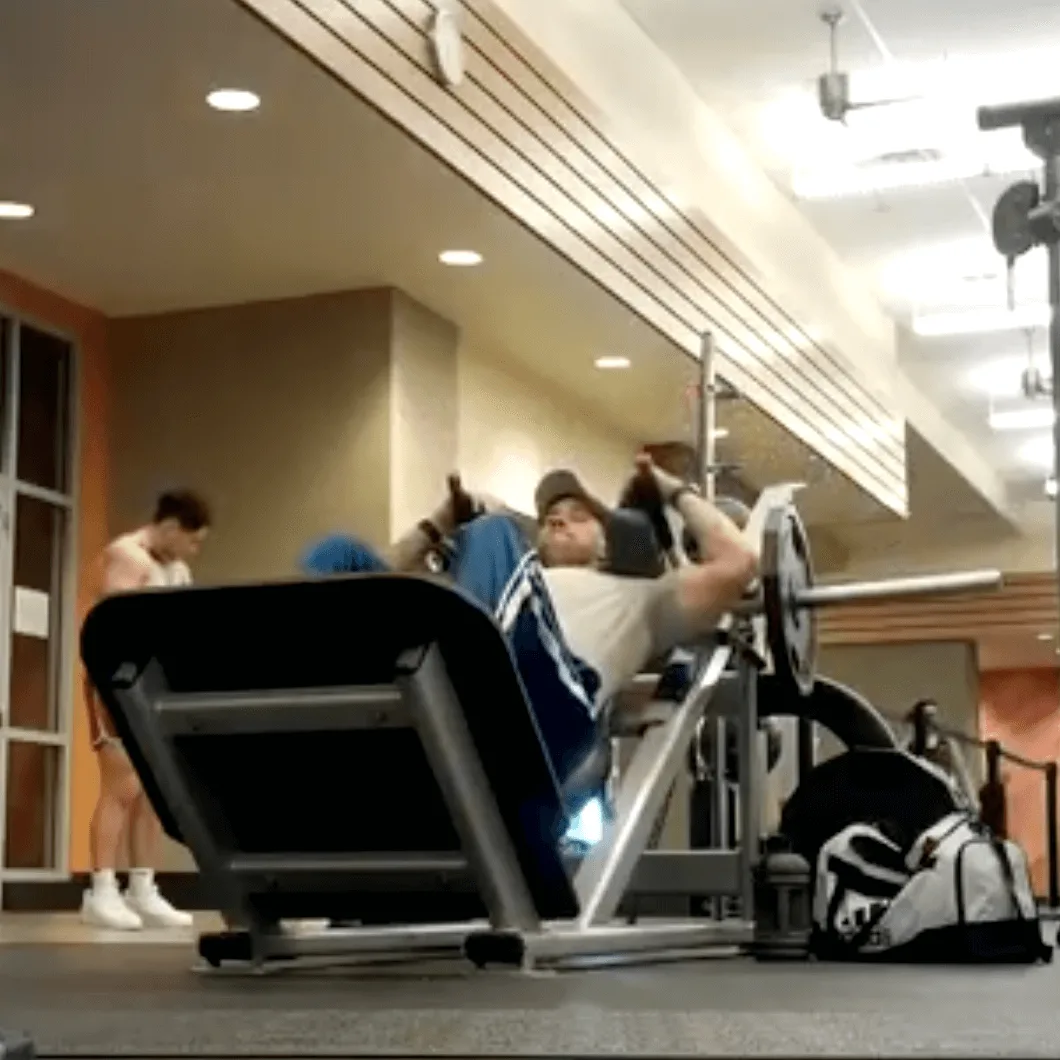
When employers suspect workers comp fraud
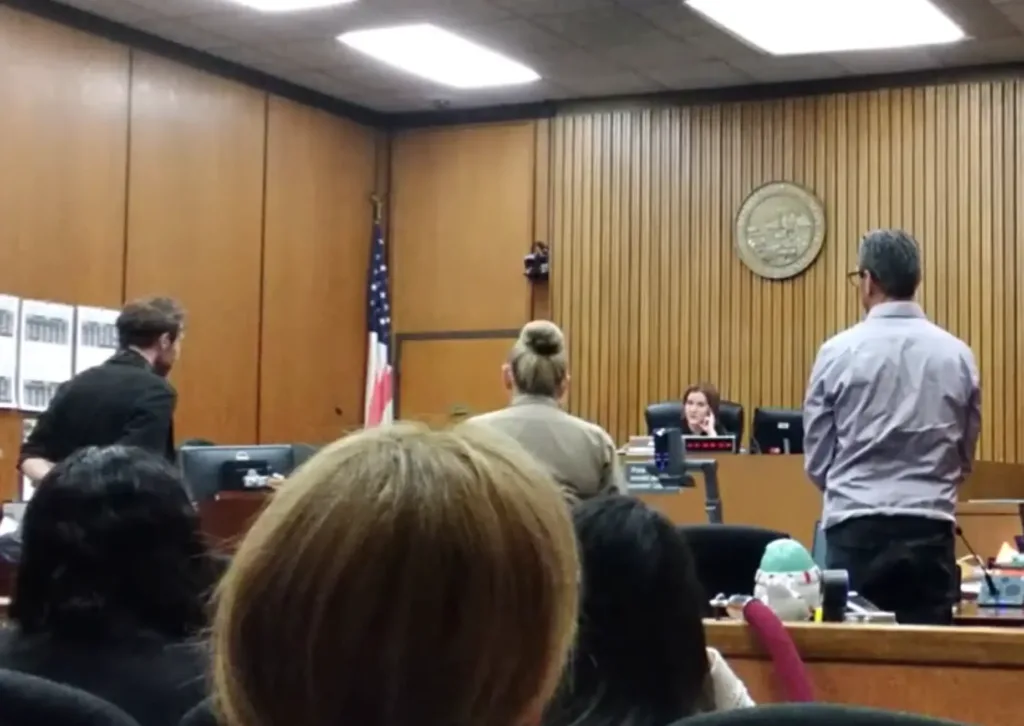
In many cases, employers rely on professional evidence collection during a workers’ compensation fraud investigation to determine whether a claim may involve misrepresentation.Suspicion alone is rarely enough to challenge a claim, and prosecutors typically require clear documentation before pursuing fraud charges. This is where private investigators can play an important role.
Private investigators are often hired by employers, insurance companies, or defense attorneys to collect evidence that helps clarify what actually happened and whether a claim may involve misrepresentation.
Although every case is different, most workers’ compensation investigations rely on a few core evidence-gathering methods.
Statements and Accident Scene Investigation
One of the first steps in a workers’ compensation investigation may involve reviewing the details of the reported injury. A private investigator may collect statements from witnesses, supervisors, or coworkers who were present when the accident allegedly occurred.
Investigators may also examine the accident location itself. Photographs, site documentation, and witness accounts can sometimes reveal inconsistencies between what was reported and what actually happened.
Social Media Investigations
Social media has become an increasingly valuable source of information in workers’ compensation cases. Many individuals document their daily activities online without realizing how those posts may contradict statements made in a claim.
Investigators may review publicly available social media accounts to identify photos, videos, or posts showing physical activities that conflict with the limitations described in medical reports or deposition testimony.
For example, a claimant reporting severe physical restrictions may simultaneously post images of recreational activities, travel, or exercise that suggest otherwise.
Civil and Criminal Record Searches
Background records can also provide useful context during an investigation. Civil filings, criminal records, or prior insurance claims may reveal patterns or previous litigation that could be relevant to evaluating a claim.
While records alone do not prove fraud, they can help investigators and attorneys better understand the broader circumstances surrounding a case.
Surveillance Evidence
Surveillance investigations often referred to in the investigative industry as subrosa, is one of the most well-known tools used in workers’ compensation investigations.
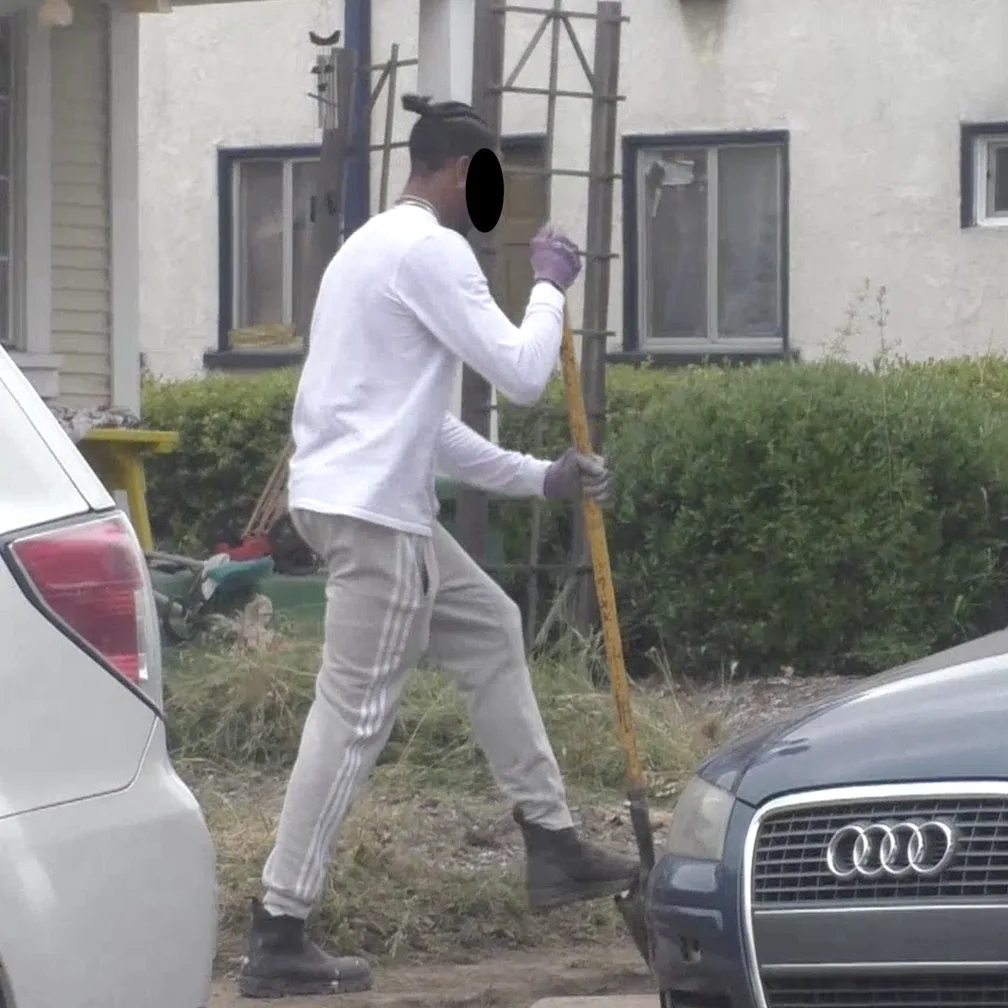
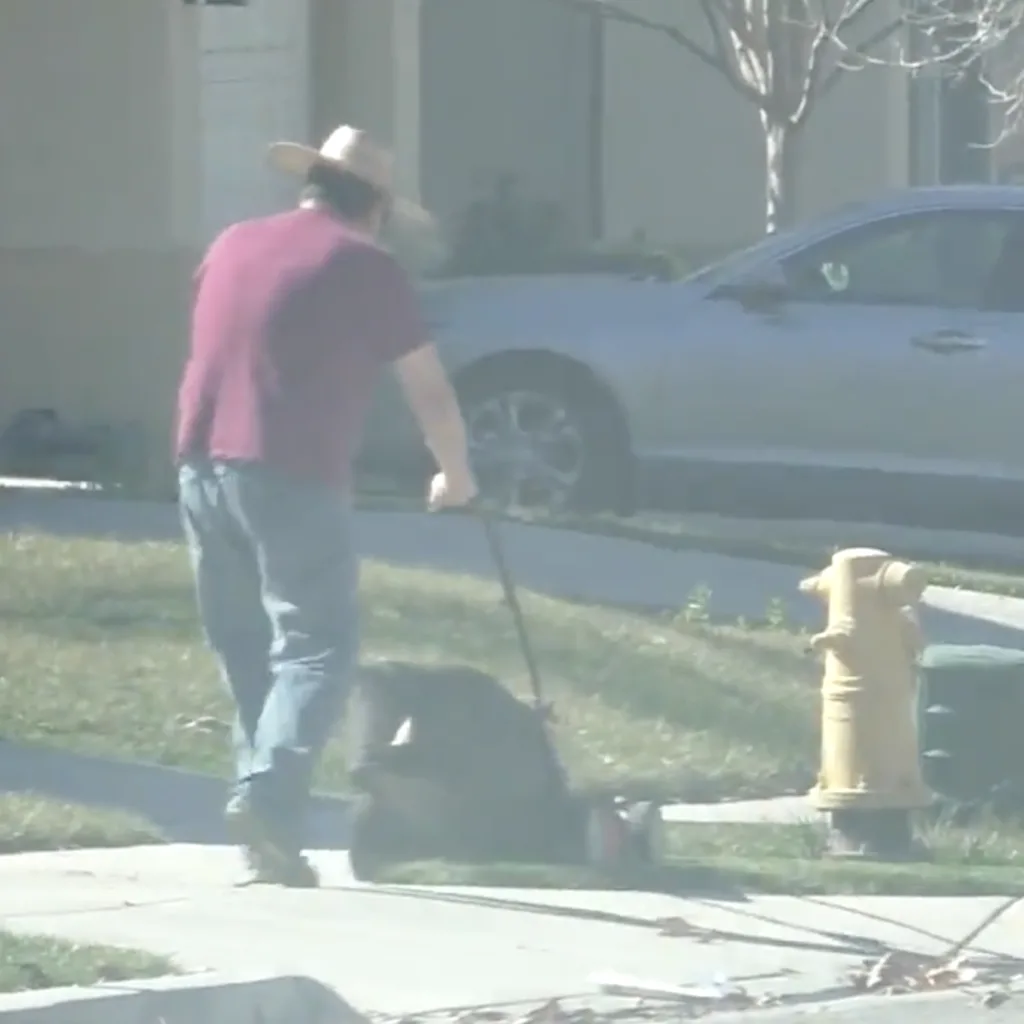
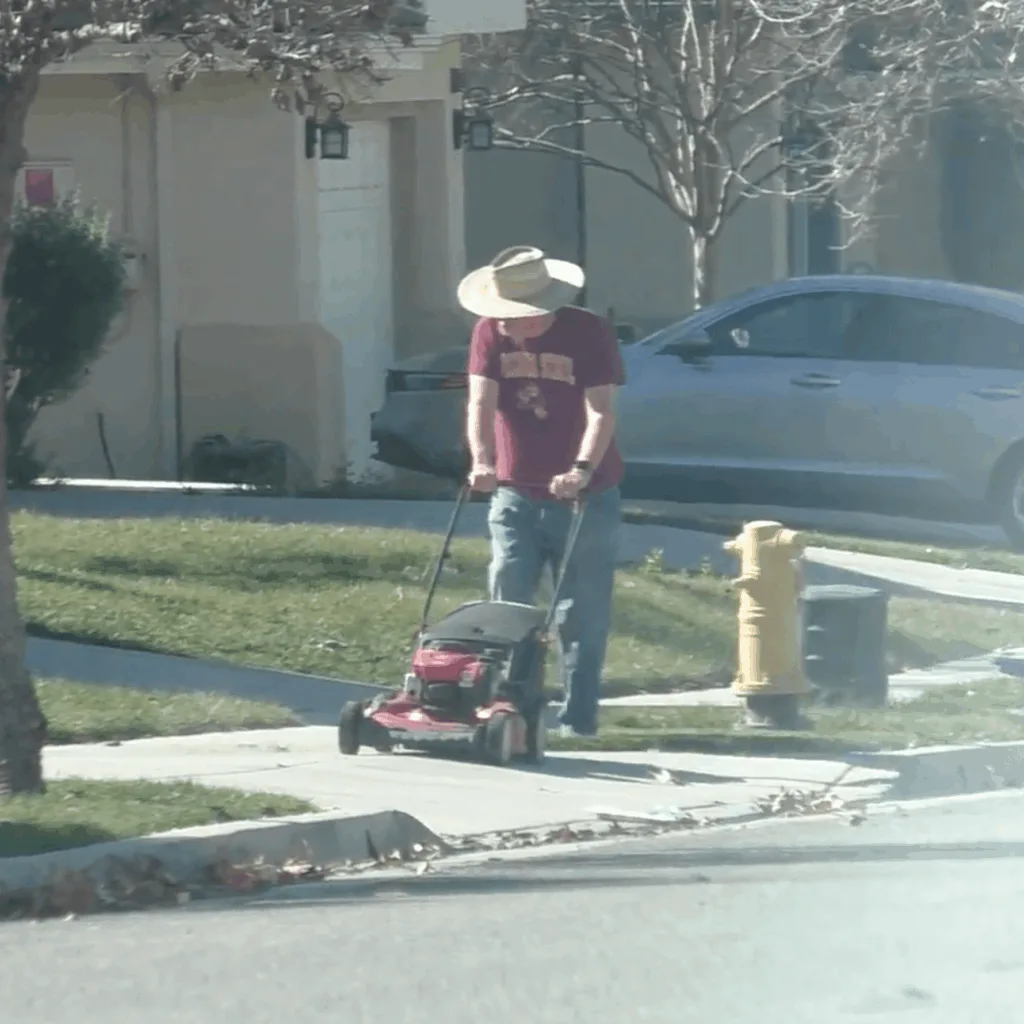
During surveillance operations, investigators observe and document a claimant’s activities in public settings. Video evidence may capture physical actions that directly contradict reported injuries or claimed limitations.
When properly collected and documented, surveillance footage can become a powerful form of evidence in civil litigation or fraud investigations.
Evidence Must Show More Than Suspicion
It is important to understand that no single piece of evidence automatically proves workers’ compensation fraud. In most cases, investigators compile multiple forms of documentation—statements, records, social media findings, and surveillance footage—to establish a clear timeline and identify potential inconsistencies.
When these pieces of evidence align, they can help employers, insurance carriers, and attorneys determine whether further legal action or fraud referrals may be appropriate. If you like this please read how workers compensation claims are investigated in California