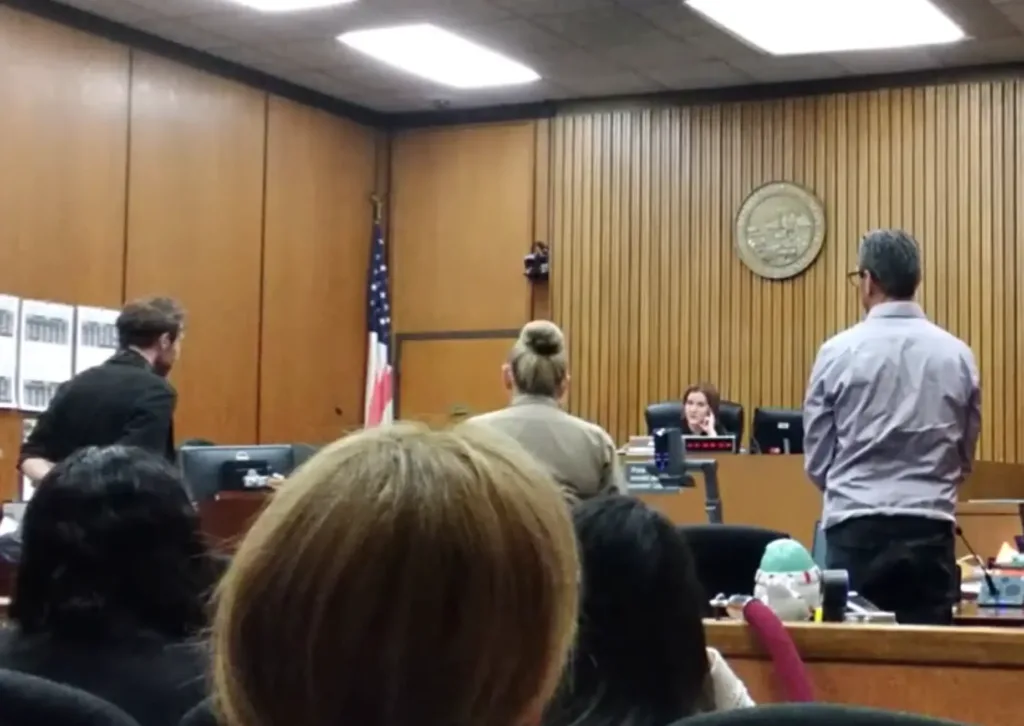
Can you sue someone for hiring a private investigator?
When it comes to hiring a Los Angeles private investigators, many people wonder about their legal rights and options for recourse. In general, in California, you can sue a private investigator. However, it doesn't guarantee any outcome. We have been sued a couple of times and those cases were dismissed. In fact the persons who sued us ended up taking plea deals with the DOJ. Understanding the boundaries of what private investigators can and cannot do is essential for anyone who finds themselves under surveillance or feels their rights are at risk.

Can you sue a private Investigator for Stalking?
Private investigators are often hired for cases involving infidelity, insurance fraud, or child custody disputes. While they operate within legal guidelines, there are situations where their methods might cross a line. If you feel that your privacy has been invaded or that you are being followed in an unwanted manner, it is crucial to know your options for protecting yourself legally.
This article will explore the circumstances under which you might have grounds to sue a private investigator, as well as the protective measures available to you. By equipping yourself with this knowledge, you can better understand your rights in situations involving private investigations
Understanding the Role of a Private Investigator
Private investigators (PIs) play a crucial role in various situations such as stolen goods, infidelity investigations, insurance fraud cases, and child custody disputes. Their ability to navigate legal boundaries and adhere to ethical standards is essential in maintaining professionalism and ensuring the integrity of their work.
Licensing and Legal Boundaries
To operate legally, private investigators must obtain appropriate licensing, which varies by state. This licensing process often involves background checks, training, and examination to ensure that they understand the legal frameworks governing their activities. Verify a California PI license with BSIS
In your state, you should verify the specific requirements for hiring a private investigator. Licensed PIs are trained to respect legal boundaries, including privacy laws and limitations on surveillance. Understanding these factors can help you make informed decisions when engaging a PI.
Considerations and Best Practices
Ethics play a vital role in how private investigators conduct their work. PIs must adhere to a code of ethics that emphasizes integrity, respect for privacy, and professionalism.
For instance, when investigating infidelity, a PI must balance the need for evidence with the ethical obligation to respect the individual's privacy. Similarly, in cases of insurance fraud, ethical practices dictate that investigators avoid deceptive tactics and ensure the honesty of their findings. By adhering to these ethical considerations, private investigators can foster trust and credibility in their profession.
Legal Grounds for Suing a Private Investigator
When dealing with the actions of a private investigator, it's important to understand the legal grounds that may permit you to take action against them. Various situations may arise where the investigator’s methods cross legal boundaries, leading to potential legal claims.
Invasion of Privacy
You have privacy rights that protect you from unauthorized intrusions. If a private investigator uses illegal methods, such as wiretapping or trespassing to gather information, this could constitute an invasion of privacy. You can sue for damages if you can demonstrate that your privacy was violated through unreasonable surveillance or obtaining your personal information without your consent.
Often, private investigators are hired to confirm suspicions of infidelity or misconduct. If the investigator oversteps by using illicit means to gather evidence, it may provide grounds for legal action. Legal protections exist for private investigators, but these do not grant them the right to violate your privacy rights.
Harassment and Stalking
If a private investigator’s actions amount to harassment or stalking, you may have a strong case for legal action. Continuous surveillance that causes emotional distress can lead to claims against the investigator. They may be tracking your movements or contacting you repeatedly, which could disrupt your life significantly.
In cases where their methods become threatening or invasive, this behavior can be documented and presented in court. It's important to gather clear evidence of such actions, such as photographs, correspondence, or witness testimonies, to support your claim.
Trespass and Illegal Surveillance
Trespassing occurs when an investigator unlawfully enters a property or conducts surveillance from a location where it is clear that the public shouldn't be. This could involve physically entering your premises or using technology in ways not permitted by law. If you are subjected to this type of behavior, you can take legal action against the investigator.
Illegal surveillance might involve using drones, cameras, or other devices to monitor you without consent. Such actions violate your expectation of privacy and can lead to serious legal repercussions for the investigator. Ensure you document these incidents thoroughly; strong evidence can bolster your case in court.
Protections for the Subject of an Investigation
When dealing with private investigators, it's essential to understand the protections available to you as the subject of an investigation. Legal recourse exists to safeguard your rights and privacy, and there are remedies for any ethical violations that may occur during the process.
Right to Privacy and Legal Recourse
You have a fundamental right to privacy that protects you from unwarranted intrusion. Violations can include being followed or recorded in situations where you have a reasonable expectation of privacy.
In such cases, you can pursue legal recourse through civil lawsuits. This can result in financial compensation for damages suffered due to the invasion of privacy. Understanding these rights enables you to protect yourself from unethical investigative practices.
Remedies for Privacy Violations
If you experienced privacy violations, you have several remedies available. Some of these remedies include seeking injunctive relief to stop the investigator's activities immediately. This legal action can prevent further harm by prohibiting the continuation of surveillance.
Additionally, you may seek financial damages for emotional distress or other harm caused by these violations. Courts may recognize the impact of harassment or emotional turmoil resulting from intrusive investigations. Being knowledgeable about these remedies empowers you to take appropriate action against unethical practices.
Actions Against Those Who Hire Private Investigators
When someone hires a private investigator, they may unintentionally expose themselves to legal actions. Certain situations may warrant a lawsuit, especially concerning defamation or unauthorized inquiries. Understanding these avenues can help you navigate the legal landscape effectively.
Suing for Defamation: Libel and Slander
If a hired private investigator makes false statements about you, you might have grounds for a defamation lawsuit. Defamation can be categorized into two types: libel, which involves written statements, and slander, which pertains to spoken words.
To succeed in a defamation case, you must prove that the information was false, damaging, and made with negligence or actual malice. This is particularly relevant if a private investigator shares false findings with third parties, such as employers or family members.
Compensation in these cases may cover personal injury, emotional distress, and reputational damage. Therefore, if you believe you are a victim of defamation due to a private investigator's actions, consider consulting with a legal professional to assess your options.
Filing a Civil Lawsuit and Seeking Damages
To initiate a legal action, you will need to file a civil lawsuit. This begins with drafting a complaint that outlines your grievances against the private investigator. Clearly state your reasons for suing, any breaches of law and how their actions have negatively impacted you.
You may seek compensatory damages for loss of income, emotional distress, or other pertinent losses. In some cases, punitive damages could apply if the investigator's actions were found to be particularly egregious or malicious. Gathering evidence is critical at this stage. Collect documentation, witness statements, and any surveillance footage relevant to your case to strengthen your position in court.
Frequently Asked Questions
The following information addresses common concerns regarding private investigators' actions and the potential legal implications. Understanding your rights, the nature of investigations, and the boundaries that private investigators must follow is crucial.
What legal actions can be taken if a private investigator engages in stalking behavior?
If a private investigator engages in stalking, you may have grounds for both civil and criminal legal actions. Civil lawsuits can be filed for invasion of privacy, emotional distress, or harassment. Criminal charges may apply depending on the severity of the behavior and local laws.
What constitutes harassment by a private investigator and how can one seek recourse?
Harassment by a private investigator includes persistent surveillance or contact that causes distress. If you experience such behavior, document your experiences and consult a legal professional to explore options. You can file a complaint with relevant authorities or pursue civil action for damages.
What are the potential risks associated with hiring a private investigator?
Hiring a private investigator carries risks such as invading personal privacy, misuse of gathered information, or failure to comply with legal regulations. Additionally, you may face reputational damage if the investigation becomes public. It’s essential to thoroughly vet any investigator before hiring.
How can hiring a private investigator impact child custody proceedings?
The use of a private investigator in child custody disputes can uncover critical information about a parent's lifestyle or behavior. Evidence gathered may influence court decisions regarding custody arrangements. Be cautious, as improper methods of investigation can potentially harm your case.
What are one's rights and protections when a private investigator has been hired to investigate them?
You have the right to privacy, and surveillance may violate your rights. If a private investigator is following you you could seek legal counsel. Awareness of your rights helps you take appropriate actions if you feel your privacy has been infringed upon.
What are the ethical boundaries that private investigators must adhere to during an investigation?
Private investigators must operate within legal boundaries, which include respecting privacy rights and avoiding deceptive practices. They should not engage in illegal activities such as trespassing or using false identities to obtain information. Ethical conduct maintains the integrity of the profession.